 App Masters · Oct 20
A seven-point checklist an app should pass before spending anything on Meta ads: funnel conversion targets, proof that strangers pay, LTV per install, event tracking, competitor ad research, concept testing and budget math. The payoff is avoiding wasted spend, since a $1,000 test budget at the stated rates yields only about 10 to 11 subscribers at roughly $95 each.
What to take from it
App Masters · Oct 6A niche breathing exercises app, Breathwrk, started narrow with one use case, ranked for specific keywords and used animated, interactive onboarding before a paywall. It was reportedly acquired by Peloton for $2.2 million after about $200,000 in seed funding, which shows a niche focus can lead to a real exit.
What to take from it
App Masters · Sep 29Screenshots and the app icon are a major ASO lever beyond keywords, and A/B testing them through Product Page Optimization can lift organic downloads. A case study moved installs 61% across two sequential screenshot tests, with other examples at 13.8%, 30% and 45%.
What to take from it
App Masters · Sep 8Before spending on paid social ads, research competitor creatives and test your own, because creative matters more than every other lever. The episode walks through hook and hold rate targets, a 3-day creative test setup, and how to study a winning Cal AI ad with SocialPeta.
What to take from it
App Masters · Aug 18Seven paywall principles drawn from hundreds of tests: show the paywall in onboarding, consider a hard paywall, explain the trial, sell outcomes, add context, make value obvious and test offers and CTAs. Real tests include a 52% sales lift from putting the paywall before sign up and a 3x sales lift from moving the trial to a weekly plan.
What to take from it
App Masters · Aug 11A walkthrough of the RevenueCat charts and features used to judge subscription app health and decide when an app is ready for paid acquisition. It shows a roughly $37,000 MRR app with a 7-day trial converting over 60% of trial starts to paid, and a paywall test where a money back guarantee is winning.
What to take from it
App Masters · Aug 4The Tentacle Strategy finds app ideas by studying big, high-revenue apps and building a focused app around one low-competition keyword they ignore. Steve says it produced an app earning $550,000 last year, a $2,000 to $3,000 a month app, and a client app at $12,000 to $15,000 a month, all organic.
What to take from it
App Masters · Jul 21Screenshot design often converts App Store visitors better than keyword work, and this episode shows how a CBT therapy app gained 30% more downloads from a screenshot A/B test. It also walks through building, localizing and uploading screenshots as a product page optimization test using the sponsor tool AppScreens.
What to take from it
 Superwall · Jul 19
Steve Young explains how he finds apps and keywords that already have organic distribution, buys undermonetized apps (sometimes with a loan), and lifts revenue with ASO and hard paywalls. One acquired app has made over $1 million in its lifetime and about $500,000 last year, and a hard paywall doubled the trial start rate on another.
What to take from it
App Masters · Jul 14Explains why web-to-app funnels are one of the fastest-growing ways to acquire and monetize mobile app users, and walks through the quiz, paywall, checkout, ad optimization, upsell and tripwire tactics that make them work. The case: skipping the app store means avoiding the 15 to 30% fee, getting cash faster, and having far more freedom in how you price and sell.
What to take from it
App Masters · Jul 7Paywall and onboarding experiments from a MAU Vegas talk: how to place the X on hard paywalls, what to show before the paywall, reverse trials, trial offers, and paywall copy tweaks. The reported results include a 56% lift in trial activations, free users converting at 4.5% instead of 0.4%, and a 38% lift from showing broken-down prices.
What to take from it
App Masters · Jun 30Paid acquisition for subscription apps is often capped by cash flow, because Apple and Google pay out 45+ days after the sale, so a profitable campaign can stall when the budget runs dry. Steve walks through a $10,000 budget example where $9,000 of spend returned about $10,800 and shows how weekly payouts through Adapty Finance (a sponsor of the video) let you reinvest sooner.
What to take from it
- Plan paid spend around the 45 day Apple and Google payout delay▶ 0:58Money earned in January does not hit the bank until March, while the $10,000 spent to earn it is already gone.
- Treat cash flow as a growth limit, not only creatives or ASO▶ 0:52In the example, a $10,000 budget is down to $1,000 by week four with proven ads that could scale profitably.
- Model a staged ramp-up budget before you start paid acquisition▶ 2:45Spent $9,000 of a $10,000 budget in about three weeks, earned roughly $10,800 back, for about 120% ROAS.
- Use realistic ROAS targets of about 120% to 175% when planning▶ 4:48$9,000 spent returned $10,800 (120% ROAS); a $5,000 spend at 175% ROAS returns close to $9,000.
- Track spend and proceeds weekly, not monthly, when scaling paid▶ 3:02Week one on the acquired app netted only about $500 before spend was tuned to the right level.
App Masters · Jun 24Explains the two Apple Ads search campaigns to start with, a max conversion discovery campaign and a single keyword ad group (SCAG) campaign, with the exact setup choices for budgets, bids and targeting. The setup is backed by account data showing about $85,000 a month of ROAS-positive spend for one client.
What to take from it
App Masters · May 26Ad monetization tactics for gaming and non-gaming apps, from app open ads and welcome bonuses to rewarded ads inside subscription apps. The core lesson is that top apps now blend ads, subscriptions and in-app purchases, since 80 to 90% of installs never pay.
What to take from it
App Masters · May 19Steve P. Young shows how MadMuscles pairs Meta ads, AI-generated video creatives and a web-to-app checkout to scale a fitness app. The app shows roughly $200,000 a month in app store revenue alone, with web revenue likely on top.
What to take from it
App Masters · May 12Seven early-stage mistakes that burn app budgets: building too much, coding by hand, paying for cloud too early, skipping startup credits, ignoring conversion design, cheap UI/UX and no marketing budget. AI-assisted development now ships a first version in about two months instead of six, which makes distribution and design the real bottlenecks.
What to take from it
App Masters · May 5Deep links that return users to the exact in-app spot, plus targeted trial re-engagement messages, fix onboarding and activation problems that look like low engagement. AppsFlyer data cited says deep linking for personalized onboarding lifts day 30 retention by 110% versus manual code entry.
What to take from it
App Masters · Apr 28A live ASO and monetization audit of an indie symptom tracker shows how to pick keywords with low difficulty and some traffic, place them in the title, subtitle and a second localization, and then align screenshots and paywall to them. It also gives concrete paywall, pricing, and Apple Health tactics drawn from client apps.
What to take from it
App Masters · Apr 7A teardown of the Wisey productivity app that shows how pairing utilities with bite-size lessons, a paid intro offer, a benefit-led pre-paywall flow and Apple API integrations can lift retention and revenue. The standout result is an App Masters client seeing over five figures a month in revenue from Apple Health referrals alone.
What to take from it
App Masters · Mar 31A teardown of RiseGuide's onboarding, paywall, lesson design and retention loops, showing how a self-improvement app gets users to commit before it asks for payment. It pairs the walkthrough with results from App Masters client tests, such as a 52% sales lift from showing the paywall before sign-up.
What to take from it
App Masters · Mar 24Five lesser-known subscription monetization tactics from top apps: three-screen paywalls, trial-to-discount offers, paid intro offers, reverse trials and pay-what-you-want pricing. Examples include a reverse trial that lifted free-to-paid conversion from 0.4% to 4.5% and a paid intro offer that raised conversion from 19% to 25%.
What to take from it
App Masters · Mar 10Moving shoppers from mobile web into the app lifts conversion, and the gains depend on a seamless web-to-app journey with proper deep linking. Teardowns of Nike and Sephora show which smart banner and deep link choices keep shoppers moving and which ones lose them.
What to take from it
App Masters · Mar 3Steve P. Young explains how to decide when to sell an app or business, how to prepare for a seven or eight figure exit, and which deal structures help close. He also shows how a podcast audience grew into a 30+ person global team and why he now focuses on acquiring businesses.
What to take from it
App Masters · Feb 24Distribution, not features, decides whether an app grows, so founders should find their channel market fit first using ASO, Apple Ads, Meta ads, viral content validation and a timed lifetime-free campaign. Case studies include an app taken to $90,000 in its first year with a two-day lifetime free burst, and a Meta-only funnel reaching $1M ARR.
What to take from it
App Masters · Feb 10A teardown of Photo Revive AI, an AI photo app that niched into photo restoration instead of competing as another generic AI image generator. It reportedly earns about $500K a month, and the flow shows how credit pricing, exit discounts, rewarded actions and watermarks work together.
What to take from it
App Masters · Jan 27A 2013 Notepad app with dated design makes about $20,000 a month with no paid ads, because organic App Store rankings for generic keywords bring about 40,000 downloads a month. The episode shows how to copy its keyword mix, fix its weak monetization, and prototype a similar app with an AI builder.
What to take from it
App Masters · Jan 20Steve P. Young argues that first-time app founders should build one premium feature, put a paywall in onboarding, and spend their effort on distribution instead of more features. He backs it with niche utility apps making $3K to $200K a month, such as Migraine Buddy and TV remote apps.
What to take from it
App Masters · Dec 23A step by step teardown of Headway's web to app funnel, covering the quiz psychology, paywall, downsell, upsells, deferred deep link and eight email winback sequence. Headway is said to earn hundreds of millions of dollars a year from this simple funnel, so it is a model to copy.
What to take from it
App Masters · Dec 16Paid ads such as Meta lift branded organic search and downloads, but last-touch attribution gives them no credit, so incrementality and cross-platform journey measurement are needed to judge channels fairly. An indie app spending $3,000 a month on Meta almost doubled its organic sales, which shows how much paid impact standard reports miss.
What to take from it
- Measure incrementality, not just last-touch installs, before judging a paid channel▶ 5:46In the demo dashboard, incrementality scored 150 for Network A, 85 for Network B and zero for Network C.
- Expect Meta ads to lift your organic downloads and search sales▶ 4:55An indie app spending $3,000 a month on Meta almost doubled its organic sales between late August and December 2024.
- Move budget toward networks with proven incremental lift, away from cheap but non-incremental ones▶ 6:04In the demo, Networks A and B got more budget and Network C, with zero incrementality, got less.
- Recalculate cost per acquisition after adding the organic search lift from paid ads▶ 7:36Young's spreadsheet method did not even measure incrementality, yet he says including the search bump would push cost per acquisition lower.
- Credit connected TV for installs that last-touch gives to Apple Search Ads or organic▶ 10:05Connected TV attribution was close to zero before, and unified journeys showed it did drive results.
App Masters · Nov 24Keyword research is the most overlooked part of ASO, and a competitor's indexed keyword list in a tool like ASOMobile is the best place to find low-difficulty, relevant terms a new app can rank for. The walkthrough uses the calorie tracker category and Cal AI to show how to filter, compare and monitor competitors, and how to spot untapped keywords and countries.
What to take from it
App Masters · Nov 18A teardown of a universal TV remote app with one onboarding screen and a basic paywall that still earns over $300,000 a month. It shows that distribution through keyword rankings matters more than features, onboarding polish or paywall design.
What to take from it
- Prioritize distribution over features, onboarding and paywall polish▶ 8:37Sensor Tower shows 700,000 downloads and $300,000 revenue a month for a simple remote app with a lackluster paywall and onboarding.
- Rank number one for hundreds of generic and localized keywords▶ 12:29The app ranks number one for keywords with popularity 61 (remote) and 64 (TV remote), and stays number one even when scrolling to 100 keywords.
- Do not skip low-popularity keywords that contain your main keyword▶ 10:51'TV control' has popularity 7, while 'control app' and 'remote app' have 5, and the app still ranks number one on them.
- Choose a category where many brands have no app of their own▶ 11:42The remote app is number one for many brand keywords, since not every TV brand has an app, although Roku does.
- Use AppFigures keyword and download data for market research▶ 14:42AppFigures and Sensor Tower agree on top countries (US, Brazil, Russia) and on the scale of the app's downloads and revenue.
App Masters · Nov 11A teardown of the language learning app Learna, which makes about $2.4 million in 30 days using AI-generated multilingual video ads, plus its onboarding and paywall flow. It shows how one winning ad script can be cloned across languages and markets, and which onboarding choices lifted sales in the host's client data.
What to take from it
App Masters · Nov 4A talk on grey-hat and black-hat App Store growth tactics (keyword installs, fake reviews, brandjacking, free lifetime offers, hard paywalls) and where Apple is now cracking down. It shows an app going from a few hundred dollars a month to $90,000 in its first year, plus paywall tests that tripled weekly sales.
What to take from it
- Run a two-day free lifetime offer to kickstart ASO and ratings▶ 9:11One app got 106,000 downloads and 800 new ratings, then sustained growth from a few hundred dollars a month to $7,000 in month one and $90,000 in year one, with $70,000 from App Store search.
- Expect roughly 1% of downloads to leave a rating when prompted in onboarding▶ 8:38800 new ratings from 106,000 downloads.
- Do not rely on free lifetime offers; Apple is now sending warnings▶ 18:35A tweet dated October 9 showed a developer receiving an Apple email right after making an offer free.
- Test a hard paywall with no close button when launching a new app▶ 13:18On one app the only change was the X in the corner, and removing it versus the soft paywall halved sales (the chart showed a dip when the X was present).
- Show a weekly plan with a trial toggle and a no-trial yearly plan▶ 24:59Yearly revenue went from $800 in three months to $1,000 in the next three months with no trial, and the new paywall delivered 3x more sales than the common weekly-focused one.
App Masters · Oct 14Shows how to use the AppsFlyer Benchmarks tool to compare your app's CPI, retention, IPM and ad spend against your category, media type and country. The walkthrough on generative AI and graphic design apps shows how the data can point to cheaper categories, overlooked countries and what kind of app to build.
What to take from it
App Masters · Oct 7Explains how to run and scale Meta Ads for web2app funnels: start on a proxy event, move to purchase optimization, test creatives in bulk, then scale by duplicating campaigns. Gives concrete budgets, thresholds and pacing rules, such as $100 per creative and 20 to 25% budget raises every few days.
What to take from it
App Masters · Sep 30A beginner's guide to the technical setup of Meta ads for web-to-app funnels: which events to optimize on, how to send them from pixel and server, and what funnel conversion rates to expect. The payoff is a clear benchmark chain (about 2% visitor to purchase) and a tracking setup that avoids double-counted events and weak optimization.
What to take from it
App Masters · Sep 16A case study of how an indie app used a free-promo distribution channel plus ASO work to jump from about 20 downloads a day to 163, hit 100,000 downloads twice, and reach about $4,000 in monthly sales within two months. It shows how to turn promo spikes into organic ranking, feedback and revenue.
What to take from it
- Use a free promo spike to kickstart organic App Store rankings▶ 8:57A one-week lifetime-free promo drove over 100,000 downloads and 700 new ratings, and daily downloads went from 20 to 163 a month later.
- Pair a promo with keyword optimization so the lift lasts▶ 3:39Downloads per day went from 20 to 163, about 8x, comparing Saturday May 24th to Saturday June 21st.
- Run repeated promos and iterate between them instead of a single launch▶ 7:07Monthly sales reached about $4,000 by the time of recording, before August had ended, with 100,000 downloads achieved twice.
- Use a download spike to learn which features users want▶ 8:17The Links developer credited August growth to updating the app with the most requested features, fixes and more content.
- Raise your price after the user base and feedback arrive▶ 7:31August sales shot up after the price increase, new features and another promo.
App Masters · Sep 9Steve Young explains how to ask for app store ratings at the right moment, for new, established and in-between apps. One client moved from about 50 ratings a month at 4.3 to nearly 400 a month at 4.5 by prompting right after trial activation.
What to take from it
App Masters · Sep 2Steve P. Young walks through a research-first workflow for making AI UGC ads: find a competitor ad with a high click-through rate, remix its script, then generate the actor, B-roll and emotional scenes in one tool (Arcads.ai). It matters because it shows how to turn proven scripts into new creatives in under 15 minutes, a process App Masters says has produced strong numbers for clients.
What to take from it
App Masters · Aug 19Six low-budget app growth tactics: ASO keyword research, lifetime free offers, localization, Apple Ads, small Meta budgets, and simple profit math. Apps went from a few hundred dollars a month to $90,000 in a year, and one reached over $150,000 a month from organic search.
What to take from it
- Run keyword research before building to validate demand for an app idea▶ 2:57The AI app launched in March 2023 earned revenue right away and became a near six-figure business in 2024, almost all from App Store search.
- Run a lifetime free offer to get fast downloads and ratings▶ 9:11One app got 106,000 downloads in a couple of days and 800 new ratings (200 US, 600 worldwide), then grew from a few hundred dollars to $90,000 in its first year.
- Finish ASO, onboarding and paywall work before launching a lifetime free offer▶ 9:36On the $90,000 app, ASO and paywall and onboarding optimization were done before the promo ran on App Advice, and sales held up after the promo ended.
- Pick 6 to 10 targeted keywords and spread them across localizations▶ 7:17The same approach took one app from nothing to an acquisition and another from $70,000 to over $150,000 a month from organic search.
- Use Apple Search Ads with the search results campaign and keywords only▶ 15:33About $2,000 spend in July gave roughly a $1.56 cost per install across the whole app portfolio; search results ads convert over 60% per Apple, and in his data have among the highest trial activation of any channel.
App Masters · Aug 12A walkthrough of five free keyword research tools (Google Trends, AppFollow, Google Keyword Planner, Fox Data, VidIQ) and how to stack them to find niche, high-intent, low-competition App Store keywords. A niche AI app found this way went from about $100 to $80,000 in its first nine months, driven mostly by App Store search.
What to take from it
App Masters · Jul 29Retention work can be split into onboarding, activation and habit forming, and adding games through a plug-and-play tool like Gamezop is offered as a quick way to build the habit and add ad revenue. The video is a sponsored walkthrough, so the claims about the tool come from the host and its partner, not from tested results.
What to take from it
App Masters · Jul 15Web-to-app paywalls work best as long, personalized, objection-handling pages with about 14 blocks, unlike short mobile paywalls. Average paywall-to-subscription conversion is 6% on web, roughly three times the ~2% install-to-paid rate on mobile.
What to take from it
App Masters · Jul 1A conference talk of paywall and pricing A/B tests from App Masters client apps, covering where to place the paywall, how many plans to show, which plan to promote, and how hard to gate content. Several tests moved sales sharply, such as 3x more sales from defaulting to a weekly plan and trial starts falling from 13% to 6% when a close button was added.
What to take from it
App Masters · Jun 24Steve Young shows how to kickstart a zero-to-one app by stacking a first-session rating prompt, ASO and a free two-day lifetime offer promoted on a deals site, then backing into app ideas from niche keywords and testing paywalls hard. One AI note-taking app went from about $200 a month to $7,000 a month after launch and about $90,000 over the year, and a weekly-trial paywall test brought 3x the sales.
What to take from it
App Masters · May 27Word of mouth for apps comes from three channels, user sharing, influencers and niche partners, and each can be tracked with deep links and custom product pages. Examples from Calm, Crossy Road, Zero and Cal AI (over $20M a year via influencers) show how to copy the tactics.
What to take from it
App Masters · May 6Painkiller apps that solve a need-to-have problem convert far better than nice-to-have vitamin apps, so a niche tracker can earn big money from modest ASO-driven traffic. Migraine Buddy makes over $50,000 a month from about 500 downloads a day, around 15,000 downloads a month, with no trial on its paywall.
What to take from it
App Masters · Apr 8A step-by-step walkthrough of setting up app icon A/B tests with Xcode and App Store Connect product page optimization, including what to test and how to run it. The useful result is that icons can be tested even while an app is in pre-order, so you can pick the launch icon with real data.
What to take from it
App Masters · Apr 1A step-by-step beginner process for app store optimization: pick a small set of keywords with a search score near 30 and low competition, then build the title, subtitle and keyword field tightly around them. Steve says a keyword with a search score around 30 is enough traffic for a six-figure indie business.
What to take from it
App Masters · Feb 25A teardown of the Cal AI calorie tracker's onboarding flow and paywall, with specific changes to test and free tools for estimating how a competitor gets traffic. It matters because the app reportedly makes over $800K a month (per Sensor Tower) from about 300,000 downloads less than a year after launching in April 2024, driven by viral social videos.
What to take from it
App Masters · Feb 18Deep links send users from an ad, email, blog or influencer post straight to the right screen in an app, and Firebase Dynamic Links shut down on August 25th 2025, so teams need a replacement. The episode walks through setting up Airbridge deep links and migrating Firebase links with no code, with demos showing Airbridge opening the app in under 3 seconds versus 6 seconds for Firebase.
What to take from it
App Masters · Jan 28Seven app growth case studies from 2024 show how ASO, a free lifetime offer, Apple Search Ads structure and better Meta measurement drive revenue. Results include an app going from a few hundred dollars a month to over $90,000 in a year and a client going from $70,000 to $200,000 a month.
What to take from it
- Measure Meta ads with App Store Connect downloads by source, not Facebook▶ 3:12Facebook reported only about 50 to 60% of the installs App Store Connect showed, so Facebook's cost per install of up to $6.80 in December was really under $4.
- Compare App Store search before and after ads to see their halo▶ 4:28On the indie app, the App Store search line climbed as Meta spend ramped, with over 9,000 from search and about 3,000 from the ad source in one month.
- Use ASO revenue to fund paid social instead of relying on ASO alone▶ 4:37An indie app launched in March 2023 made $42,000 organically in its first year, then reached $13,000 in December 2024 after starting Meta in August 2024.
- Make a lifetime in-app purchase free for two days via AppAdvice▶ 6:28One app got 106,000 downloads and 800 new ratings (200 US, 600 worldwide) and made $7,000 in the first month, and grew from a few hundred dollars a month to over $90,000 in 2024 with almost no paid spend.
- Run the free lifetime promo for ratings, keyword indexing and product market fit signals▶ 8:17Some users emailed asking to extend the free offer after missing it.
App Masters · Dec 6Nine conversion tactics for mobile apps and web funnels, covering onboarding paywalls, call to action copy, landing pages, three-plan pricing, localization and mobile checkout. Tests cited include a 234% sales lift from a benefit-led onboarding before the paywall and a 233% conversion lift from adding a decoy plan.
What to take from it
App Masters · Nov 20Indie developers learn how to get first subscribers by seeding reviews with a free lifetime offer, starting with ASO and Apple Search Ads, then optimizing the paywall and onboarding. One case study took a transcription app from about $100 a month to $7,000 in its first month using ASO only.
What to take from it
- Give a lifetime offer away free for two days to drive ratings▶ 4:15A 2024 AI transcription app got 106,000 downloads, 800 new ratings (200 US, 600 worldwide) and $7,000 in its first month with ASO only, up from about $100 a month.
- Build around 100 reviews before spending on paid marketing▶ 5:51The client had five reviews and about $100 a month and wanted to run Apple Search Ads. After the campaign the app hit $10,000 in revenue in August 2024, purely organic.
- Start with ASO and Apple Search Ads, not social ads▶ 3:09
- Compare your funnel to 5% trial start, 30% trial to paid, 2% install to paid▶ 3:44Trial start of 5% plus and over 30% trial to paid is described as solid. About 2% install to paying customer is quoted as an average from other sources.
- Move to social ads once you reach about $1,000 MRR▶ 7:25His own apps reached $1,000 organically, then about $3,000 with Apple Search Ads at roughly 2X ROAS (spending about $1,000). They stayed stuck around $2,000 to $3,000 for six months.
App Masters · Oct 16A set of small paywall, onboarding and discount A/B tests that take minutes to run, drawn from hundreds of tests on client apps. The results include a 31% conversion lift from showing two plans instead of one, a 38% lift from showing yearly prices, and 2x sales from a hard paywall.
What to take from it
App Masters · Sep 25Five lesser-known app monetization tactics: let users pick their own discount, win back canceled trials, send discount emails, run cart abandonment reminders, and trigger timed discounts after high-intent moments. Examples include a 5% email conversion rate, a 13x conversion lift from a third cart reminder, and a 70% second-paywall offer that ranks among Headway's top five in-app purchases.
What to take from it
App Masters · Sep 18Five features an app MVP needs to reach product market fit without overspending: analytics, re-engagement channels, onboarding, a paywall and live chat or contact us. Flipping the order of paywall and sign-up in one onboarding flow raised paywall views from 40% to 94% and trial activations by 190%.
What to take from it
App Masters · Sep 16Two app veterans, one from marketing and one from development, walk through five mistakes first-time app founders make: perfecting the MVP, piling on features, chasing downloads, going too big too soon, and treating marketing and product as separate. A paywall and pricing change took one app from $1,000-$2,000 to $8,000-$10,000 a month with no new features or downloads.
What to take from it
App Masters · Aug 27Before buying more downloads or building more features, check each step of the app funnel: downloads, trial activation, and trial to paid. Fixing onboarding, paywall and pricing took one client app from about $1,000 to $8,000-$10,000 a month with no extra downloads.
What to take from it
App Masters · Jul 30Apps keep users and earn more by building a network effect for retention and by running gaming-style LiveOps offers for monetization. The episode shows how to measure both, and why picking one strong move per growth stage can make an app attractive for a seven-figure exit.
What to take from it
App Masters · Jul 10A creator-led app launched as a $5 pre-order to an existing book and podcast audience, then converted that paid base into a subscription business. The talk covers validation through a beta filter, paywall placement, plan and Android pricing choices, and the analytics, marketing and ratings mistakes made along the way.
What to take from it
App Masters · May 14Explains how to prepare, value and negotiate the sale of a profitable app, from clean data and broker use to deal terms and timing. The worked example values an app at 2.5x trailing twelve month profit, and the guest says to start listing around 80k TTM revenue.
What to take from it
App Masters · Apr 30Practical, low budget growth for indie apps: start paid acquisition with Google search ads one channel at a time, get free users through partnerships, and win back lapsed users with automated push, email and SMS. The guest says localization and Google ads with many creatives plus TikTok ads helped drive his last exit.
What to take from it
App Masters · Feb 13A teardown of the onboarding, paywall and discount flow in Productive, a habit tracker that Steve P. Young says makes over $200K a month, covering personalization, plan count, timed discounts, email capture and locked content. It gives concrete patterns to copy and a few things to test, plus a client app that gets the post-paywall flow wrong.
What to take from it
App Masters · Jan 16Advanced ASO tactics for 2024: target niche keywords big brands ignore, use keyword-rich in-app events, fill every US localization with English keywords, and capture Google web search traffic. Steve's motivational app went from no sales to over $1,000 a month from organic downloads alone just by changing keywords and title.
What to take from it
- Target niche keywords that big brands ignore instead of competing head on▶ 0:59A motivational app that did nothing for a long time went past $1,000 in September and October, averaging $1,000 to $1,500 a month from organic downloads on a $20 a year product, with no new features.
- Find niche keywords with traffic first, then build the app around them▶ 1:55A new sleep sounds app launched on November 5th made about $933 in its first month and held that level in December, with a goal of $10,000 a month by Q2.
- Rework title and keywords on a struggling app before adding features▶ 2:54The motivational app went from no sales to over $1,000 a month and about 2,000 downloads, all organic with no paid marketing.
- Put target keywords in the title and descriptions of in-app events▶ 6:11One client moved from rank two to rank one for a keyword with just an in-app event with the right titling.
- Use in-app events to lift product page conversion rate▶ 6:55Between November 5th and December 4th one app's conversion rate rose 35% despite fewer impressions, downloads and product page views.
App Masters · Jan 2Answers viewer questions on ASO: how to get genuine ratings, find niche keywords cheaply, use all nine US localizations, and when to use hard paywalls and ads. Backs it with a free-lifetime-offer launch that earned 150 ratings and 12,000 downloads, and a client whose review prompt went from about 50 to nearly 400 ratings a month.
What to take from it
- Show the review prompt after the paywall, whether or not users start the trial▶ 1:07One client went from about 50 ratings a month to close to 400, and ratings over downloads rose from 1.4% to 4.4%, roughly 3x the ratings.
- Give a lifetime offer for free to earn launch ratings▶ 0:02Aimed for 10,000 downloads, hit 12,000, and got 150 new ratings within a couple of weeks of launch.
- Spread different keywords across all nine US App Store localizations▶ 6:26A client with one keyword only in the Vietnamese localization is starting to be indexed for that keyword.
- Target niche, lower-traffic keywords instead of the big high-difficulty ones▶ 4:56
- Let data overrule your opinion and test a hard paywall▶ 10:21Revenue went from $1 to $10,000 a month with a hard paywall, then dropped to $5,000 a month with a soft paywall and an X.
App Masters · Oct 24Seven A/B tests on onboarding, paywalls, pricing plans and calls to action show where subscription apps gain the most revenue. Examples include 2x sales from a paywall placed inside onboarding, a 52% sales lift from flipping paywall and sign up, and a 133% lift from rewriting a button.
What to take from it
App Masters · Aug 15Shows how an app with no downloads or ratings can still rank by targeting smaller, high-intent keywords and using the app name well. Walks through a repeatable one-hour keyword gap process in AppFigures, plus how ratings and Apple Search Ads fit in.
What to take from it
App Masters · Aug 1Covers how to re-engage lapsed users with CRM, push and email, how to use discounts without training users to wait for them, and how to set up paywalls and freemium experiences that convert. The standout result is a study where monetization projects had 4x the growth impact of acquisition projects.
What to take from it
App Masters · Jul 13Five push notification practices for subscription apps: ask for permission during onboarding, keep frequency low, write short messages, and use timed reminders and discounts to win back users who abandoned. The strongest result is a 13x conversion lift from moving a cart abandonment sequence from two pushes to three.
What to take from it
App Masters · Jun 21Subscription app revenue can be lifted a lot by changing the paywall rather than buying more downloads: show it in onboarding, make it long, test a hard paywall, and tune trials and plans. Case studies show gains of 52%, 65%, 234% and 420%, including one app going from $250 to $1,000 with only 15 downloads a day.
What to take from it
App Masters · Jun 13A teardown of how the period tracker Flo (about $6 million a month) stacks paywalls, a discounted offer and a 99 cent second-open offer around a long onboarding. It argues that most subscription buyers convert in the first session, so you should show several well-timed offers before interest fades.
What to take from it
App Masters · Apr 5Four features to build into an app before launch: onboarding and paywall tracking, a paywall shown during onboarding, an App Store review prompt after the paywall, and a remotely configurable hard paywall. One client app went from $1,000 to $10,000 a month with the same downloads by optimizing the paywall, raising the price and using a hard paywall.
What to take from it
App Masters · Apr 4A workshop on running Apple Search Ads: how to structure campaigns, set bids with simple math, go after competitor keywords with custom product pages, and set up a live campaign. It also shows a review prompt placed after a paywall that lifted ratings from 32 reviews in November to 313 ratings in January while the average rose from 4.3 to 4.5.
What to take from it
App Masters · Mar 23Seven data-backed ways to raise subscription revenue without buying more downloads, mostly by changing when, how often and how the paywall is shown. The payoff is a set of client and own-app results, including a 12x revenue lift from a long paywall and a 2x lift from a hard paywall.
What to take from it
App Masters · Mar 21Three early stage founders share the scrappy tactics they used to get revenue before they had big budgets: a two-step paywall, email offers outside the app, quizzes, partnerships, and influencer and community work. The standout results are a 16.4% download to trial or purchase rate, 942 activations from one partnership, and almost a million downloads with zero paid ads.
What to take from it
App Masters · Feb 21An indie app went from a low of $270 a month to about $1,000 a month with only about 15 downloads a day by fixing what happens after install: event tracking, a longer paywall and simpler plans. The lesson is that fixing post-install conversion can beat chasing more downloads.
What to take from it
App Masters · Feb 7A teardown of Calm's onboarding, paywall and sign-up flow shows which patterns a meditation app earning over $5 million a month relies on. The key lesson is to show the paywall before asking for an account, then force sign-up after payment.
What to take from it
App Masters · Jan 31Shows how to spy on competitors' App Store keywords with ASO Mobile's three competitor tools, then pick the keywords worth chasing. The takeaway is to start in low-competition niches the big apps ignore, backed by an app that ranked number one for a breathing keyword pair and drove 100+ downloads a day.
What to take from it
App Masters · Jan 24A teardown of Genie, a ChatGPT-based iOS app estimated at over $200K a month, covering how to size the opportunity, its keyword traffic, weekly pricing with a three-day trial, and in-app growth tricks. The useful result is a concrete template: weekly subscriptions around $12.99 with a free trial, an early review prompt, a paywall on the second open, and cross-promotion.
What to take from it
App Masters · Jan 12App buyers value an app on new money, funnel health and testing habits, not on headline revenue. Tiny 10 to 20% gains at each funnel step can lift an app's valuation from half a million dollars to almost $1 million, and a single button text test produced a 20.9% lift.
What to take from it
App Masters · Oct 18Seven paywall and monetization tactics for apps, drawn from App Masters case studies since 2019: show pricing in onboarding, put upgrade buttons on the home page, use longer paywalls, and add urgency and win-back offers. The results include a 234% sales lift from warming up users before the paywall, 12x revenue for one client, and a developer going from $250 to $1,000 a month on 15 downloads a day.
What to take from it
App Masters · Sep 7Ad mediation turns a single demand source into a competition between many ad networks, raising what each impression sells for. The episode walks through baselines, waterfall setup, open bidding and a hybrid approach, and why running it through AdMob also solves payment delays.
What to take from it
App Masters · Aug 17Finding product market fit comes down to knowing which people you serve, which problem you solve, and asking users a few direct questions, both before and after launch. In-app feedback, early indicators like the DAU to MAU ratio, and retention tell you whether you have it.
What to take from it
App Masters · Jul 28Custom product pages let you match the App Store page to the intent of the keywords you bid on, which lifts tap-through and conversion rates and lowers cost per install. The episode also covers how to structure Apple Search Ads campaigns and ad groups so the pages work, including the pause-and-restart mistake that hid the gains in one test.
What to take from it
App Masters · Jun 15Mature apps with hundreds of thousands of monthly users can raise AdMob eCPM by segmenting performance by format, device and geography, then running bidding and waterfall together. It also covers testing ad network seasonality with control groups and tuning ad experience per country, which Sid says have produced massive eCPM spikes for developers.
What to take from it
App Masters · Apr 27Shows how to pull downloads, trial activations, trial conversions and sales from App Store Connect into a spreadsheet to find the weak step in a subscription app funnel. On his own app, the sheet shows a 1.8% install to subscriber rate against a 5% target and a healthy 35% trial to paid rate, which points to the paywall.
What to take from it
App Masters · Mar 30A teardown of YNAB, a budgeting app that grosses over $400,000 a month from about 30,000 monthly downloads because it was built on an existing brand and community. It shows how creators and community owners can use an app to turn a loyal audience into high revenue per download.
What to take from it
App Masters · Feb 23A walkthrough of how to use competitor Apple Search Ads bidding data and an ASO tool to find low competition, high converting keywords for a crowded category like meditation. It also shows how to place those keywords in the keyword field and keep Google Play descriptions under 3% keyword density.
What to take from it
App Masters · Feb 16Wordle clones flooded the app stores, and a market scan of the top apps ranking for the term shows which monetization choices worked. The standout is a paid $1.99 word game with different gameplay that makes about $50,000 in revenue from only 10,000 downloads.
What to take from it
- Switch to a paid app when a trend sends search traffic▶ 6:39The paid app shows 10,000 downloads and $50,000 in revenue, and earns more than the freemium app ranked number one.
- Run Apple Search Ads Advanced to scale a paid app▶ 8:37A client's roughly $4 paid app got a two to one ROAS on Apple Search Ads.
- Name your existing app after a trending search term▶ 3:30It got 3 million downloads in December and $20,000 in revenue, and reached number two overall in the store.
- Put monetization in place before a traffic spike arrives▶ 6:28The app with purchases earned $20,000 while most clones showed no purchases.
- Do not rely on ads alone when cloning a trending game▶ 5:12Clones had 800,000, 300,000, 100,000 and 60,000 downloads, yet only the first app showed meaningful revenue.
App Masters · Feb 9A simple Apple Search Ads advanced campaign mimics Basic but exposes the search term data Basic hides, so you can discover keywords you never considered. It suits beginners and apps whose main keyword has little search volume, and one example ran at about $1.70 per download.
What to take from it
App Masters · Jan 12Google Play is cutting app titles from 50 to 30 characters and banning emojis and promotional words, and the episode explains how to handle that and how to use YouTube video optimization for Google Play search. One client case saw a 100 percent jump in Google Play search downloads after optimizing and tagging a YouTube video.
What to take from it
App Masters · Jan 5Covers the main iOS App Store changes for 2022: in-app events, native A/B testing and custom product pages, plus how to run clean A/B tests. Worth hearing for concrete testing rules, such as one hypothesis at a time and testing each store and locale separately.
What to take from it
App Masters · Sep 15Explains how to run ASO once an app is ready to scale: expand into new localizations, work on ratings, reviews and graphic assets, and connect ASO with paid user acquisition. Gives concrete tactics such as well-timed review prompts, fighting fake reviews, and feeding Apple Search Ads and Facebook learnings back into metadata.
What to take from it
App Masters · Sep 8Explains how to prioritize researched keywords for a new app's App Store and Google Play metadata, and whether to target competitors' branded keywords. The key lesson is to start with relevant, low and medium popularity keywords, and to treat branded keywords as a risky, low-install play.
What to take from it
App Masters · Aug 10A teardown of a scanner app launched in February 2020 that Sensor Tower estimates earns over $300,000, showing how to research a category, infer a competitor's acquisition channels, and read its paywall. The takeaway is a paid-ad-driven app that converts by locking core features behind a weekly trial paywall shown straight after onboarding.
What to take from it
App Masters · Aug 3Teaches a simple formula for setting Apple Search Ads bids (max cost per tap equals target cost per acquisition times conversion rate) and five ways to scale the channel once you hit your goals. In one example, a keyword converting at 67% held a $1 cost per acquisition against a $2 goal, which left room to raise the bid.
What to take from it
App Masters · Jul 20A walkthrough of how to structure Apple Search Ads with four campaigns per country (exact, broad, search match and brand) and how to derive a starting cost per tap from your target cost per install. It gives concrete conversion rate averages and a live setup of the exact match campaign for a sleep sounds app.
What to take from it
App Masters · Jul 6Shows how to use a keyword tool to run competitor analysis for App Store optimization: mine competitor keywords, find gaps in your own metadata, and see which in-app purchases rank in search. The standout finding is a competitor's in-app purchase that ranks for 81 keywords, 23 of them in the top five.
What to take from it
App Masters · Jun 8Reddit can drive free app signups if you build credibility first, follow each subreddit's post format, and match the offer to the community. A 30 day free trial offer posted in a freebie subreddit brought over 1200 users to a client's app.
What to take from it
App Masters · Apr 12A free, two-tool process for finding app ideas that already make money and validating your own idea by studying top-grossing competitors and their reviews. Clients who copied proven ideas this way reached $10K to $200K a month in revenue.
What to take from it
- Find app ideas in the top-grossing chart of a sub-category▶ 3:37Clients using this method built apps in games, entertainment and utilities/productivity that now earn from about $10K to $200K a month.
- Spot crowded niches by searching a keyword in the top 100▶ 5:38Four fasting apps (Fast Stick at 16, Simple at 26, Zero at 70, Body Fast at 81) sit in the top 100 grossing health and fitness apps.
- Check competitor revenue in Sensor Tower before committing to an idea▶ 6:44Body Fast was making over $400,000 a month, and Zero was at $100K to $200K per day by Sensor Tower's chart.
- Build something similar to a proven app instead of a brand new market▶ 6:26A games/word app launched in 2018 makes $30,000 a month, and another client's similar app makes $10K to $12K a month from about 6,000 downloads.
- Mine competitors' critical reviews for features to improve▶ 8:07The method comes from Chad Maretta's App Empire book, written about 10 years ago, and still works.
App Masters · Apr 5A teardown of Mematic, a meme maker app that earns over $60K a month, showing how a simple app can win through one high-traffic keyword and a generous free tier with a pro upgrade. It also lists specific screenshot, onboarding and paywall changes the app could test to earn even more.
What to take from it
App Masters · Mar 10A practical checklist of app launch mistakes to avoid: skipping closed betas, watching real users instead of explaining the app, hiding monetization, and spending big on launch before the numbers work. It argues for soft launching in a smaller market and optimizing retention and revenue per download over raw downloads.
What to take from it
App Masters · Mar 3Explains how to define an app MVP and document it for a developer: keep features minimal, write a detailed spec with use cases, and mock up screens with wireframe and prototype tools. Following this lowers development cost, gives more accurate quotes and avoids feature bloat.
What to take from it
App Masters · Mar 1Four steps to take before building an app: research competitors, validate with qualified people, condense the idea into a document with mockups, and plan funding. The core lesson is to treat an app as a company with a funnel, marketing and support, not a one-off product you launch and forget.
What to take from it
App Masters · Feb 1Covers the ASO levers that raise app downloads without touching keywords: icon, screenshots, reviews, Google Play short description, backlinks, search ads, and retention and monetization. Client examples show a 50% download lift from an icon change and a 98% lift from new screenshots.
What to take from it
App Masters · Jan 27A walkthrough of a keyword spreadsheet process for App Store listings: load researched keywords into two ASO tools, mark targets by traffic and difficulty, then place them across title, subtitle and keyword fields in both the US and Spanish Mexico localizations. The worked example is a sleep sounds app named Moonlight after a high-traffic, low-competition keyword, which now ranks number five for that term.
What to take from it
App Masters · Jan 20A five-step keyword research process for App Store Optimization: seed keywords, Apple autofill, standout competitors, Apple Search Ads suggestions, and competitor keyword rankings. It builds a list of 100 to 200 candidate keywords, including hidden ones with real traffic that competitors already rank for.
What to take from it
App Masters · Jan 18A walkthrough of the seven factors that drive app store keyword rankings and organic downloads: title, subtitle, keyword field or long description, screenshots, reviews, category and Google Play file size. It includes concrete formatting rules and one client who doubled downloads by changing only screenshots.
What to take from it
App Masters · Dec 14Among Us and Fall Guys took off in 2020 because they fit a market moment, and Fortnite followed a similar late breakout. The episode explains how to treat slow games, radical pivots and cancellation decisions so a game gets a real chance to find its market.
What to take from it
App Masters · Nov 25A walkthrough of Checkaso, an ASO tool, showing how to audit a listing, compare competitors by country, and check keyword rankings and search volume to guide localization. The practical payoff is a repeatable ASO workflow that uses a free score to justify ASO investment and spot untapped markets and keywords.
What to take from it
App Masters · Oct 26Indie launches work best when you find a true story and a niche audience that cares, and plan the marketing before building the app. Press and Apple features give a bump but did not make Weather Up succeed, while a differentiated distribution edge backed by a strong product built Carrot Weather's business.
What to take from it
App Masters · Oct 12YouTube influencer integrations can drive installs and retained users because creators have time to demo an app, and evergreen how-to videos keep delivering downloads for years. One unpaid pitch to a tech YouTuber with over 1 million followers produced about 80,000 downloads.
What to take from it
App Masters · Sep 28Common first-time app creator mistakes: too many features, no market research or goals, skipping soft launch, charging too late, expecting a hit on app one, and hiring the cheapest developer. Includes a case where a pricing and paywall change took an app from $1 a day to $17 a day with no extra downloads.
What to take from it
App Masters · Sep 21An audit of Subway Surfers and its clones shows how missions, characters, rewarded ads, gift boxes and starter packs keep a simple endless runner earning over $1M a month on iOS years after launch. It also shows that cloning the gameplay is easy, but distribution is what decides whether a clone works.
What to take from it
App Masters · Sep 14Five monetization fundamentals for mobile games: psychological triggers, offer cadence, double-up rewards, monetizing impatience and a strong first-time user experience, illustrated with Slotomania, Subway Surfers, Clash of Clans, Merge Dragons and King of Thieves. The standout case is King of Thieves, which more than doubled its numbers by moving the multiplayer mode its best players had stumbled on into the first-time user flow.
What to take from it
App Masters · Aug 31Five app marketing mistakes drawn from helping over 3,326 apps: chasing downloads over conversion, delaying monetization, offering a single purchase option, over-relying on ASO, and over-investing in Apple features and PR. Fixing the product and funnel took a geometry app from $1 to over $17 a day with no extra downloads, and a call blocker app saw a 70% conversion lift.
What to take from it
App Masters · Aug 10Teaches how to ask users to enable push notifications with a pre-permission screen, then run a seven-step push drip campaign adapted from email nurture sequences. The sequence moves users from a quick win through objection handling to a time-limited sale that closes the purchase.
What to take from it
App Masters · Jul 20Five beginner App Store Optimization mistakes and how to fix them: the Spanish Mexico localization, keyword difficulty, title and subtitle use, screenshot design, and review timing. A client's screenshot redesign alone lifted downloads 91%, and in a later pass doubled them without touching keywords.
What to take from it
App Masters · Jun 17Competitor ad research with the free Facebook Ad Library and the paid SocialPeta tool lets app marketers copy proven creatives, copy and audiences before spending on their own tests. The payoff is lower cost per install without paying ad networks to run blind A/B tests.
What to take from it
App Masters · Jun 3A teardown of Fastic, an intermittent fasting app making over $300,000 a month on iOS, covering its store listing, onboarding, pricing page and gamification. It shows concrete elements of a high-converting subscription flow that other apps can copy.
What to take from it
App Masters · May 4Shows how to use the free reporting in App Store Connect and Google Play Console to see where app downloads come from, and when to move to paid attribution tools. A free promotional campaign drove close to 6,000 downloads with no ad spend, and the built-in reports showed the traffic sources.
What to take from it
App Masters · Apr 20A walkthrough of a free-tool workflow for app store keyword research: build a list of 100+ keywords from competitors and Apple suggestions, then filter by popularity and difficulty scores. It gives concrete thresholds (popularity 20+, difficulty 30 or under) and reports tripling client downloads by finding low-difficulty misspellings.
What to take from it
App Masters · Mar 11A 2020 talk on which ASO factors still move downloads (high traffic keywords, ratings, creative tests, backlinks) and how onboarding, pricing and urgency tactics lift retention and monetization. A client optimization took one app from about 80 to 300 downloads a day, and screenshot changes alone drove a 91% download increase.
What to take from it
App Masters · Feb 26ASO has moved from keyword tweaks that gave instant growth to a mix of high traffic title keywords, creative testing, ratings, backlinks and paid search. Case studies show a 5x download jump from one title keyword, a 91% lift from screenshots alone and a 50% lift from an icon change.
What to take from it
App Masters · Dec 17Five low-cost ways to grow app downloads without a marketing budget: influencer partnerships, provocative content, reporter exclusives, market research and persistence across many simple apps. The examples include a paid app that made over $10,000 in sales at launch via influencers and press hits on TechCrunch, Huffington Post and The Next Web.
What to take from it
App Masters · Dec 9Three ASO experiments to test: optimize for conversion with social proof, build a keyword-related brand name, and use emojis and symbols to stand out in search results. Social proof tests gave a 15% lift on Google Play and a 91% download increase on iOS without changing any keywords.
What to take from it
App Masters · Nov 25A teardown of the Grammarly keyboard app, a free subscription app making over $300K a month on iOS, covering its ads, keywords, onboarding paywall and email funnel. The takeaway is that a keyboard app people rarely reopen can still convert free users through an onboarding paywall and an email activation sequence.
What to take from it
- Show your pricing page during onboarding, front and center▶ 9:05Grammarly keyboard makes over $300K a month and the paywall appears during onboarding, before the user starts using the keyboard.
- Push annual by showing its monthly breakdown next to the other plans▶ 9:47The paywall shows $30 a month, $60 a quarter or $140 a year, with the annual price shown as about $11.60 a month instead of $30 (as heard in the transcript, figures are approximate).
- Send an email activation sequence to convert free users▶ 15:18Grammarly sent a welcome email, a premium features email, a free-account tips email, a 40% offer, an upgrade email, and a last-chance email.
- Educate first in early emails and hold the sales pitch▶ 15:01The first three emails of the sequence contained no purchase ask; the offer came in the fourth.
- Send a 48-hour 40% discount offer to create urgency▶ 16:16Grammarly's sequence used a 40% off, 48-hour offer, then a last-chance email with about 40 hours left.
App Masters · Jun 12A walkthrough of App Radar's free plan and how to use it for ASO: keyword research, rank tracking, competitor analysis, store metrics and metadata changes. The free plan covers 200 keywords, 5 competitors and 30 days of history for 2 apps, which most ASO tools charge for.
What to take from it
App Masters · Sep 7A walkthrough of validating an app idea before building, by using free tools like App Annie (the transcript's 'a penny') and Sensor Tower to see which categories and competitors actually earn money. It shows how checking top-grossing charts, keyword traffic and competitor revenue can reveal whether a niche has room, with examples like celebrity voice changers at about $2 million and meditation apps at $2 to 3 million.
What to take from it
- Use top grossing charts to find categories that actually make money▶ 0:36Top grossing was dominated by Netflix, Pandora, dating, entertainment and games like Candy Crush, all reliant on in-app purchases.
- Check competitor revenue in Sensor Tower for the top five or six apps▶ 9:37Celebrity voice changer: the top app made about $2 million in July 2018, while the next ones made around $6,000 and under $5,000.
- Check keyword search traffic before committing to an app idea▶ 2:43'Celebrity voice changer' scored 6.5 traffic, and he treats anything above 5 as pretty decent.
- Look at the whole revenue spread to see if the niche is winner-take-all▶ 5:19In voice changers one app made $2 million while the second made about $6,000 and the third under $5,000; another had about $90,000.
- Set a revenue target and test if you can capture a small share▶ 7:25Celebrity voice changer leader at $2 million a month implies 10% to 20% would be $200,000 to $400,000.
App Masters · Aug 28Maps each SEO concept (title, h1 tags, content, backlinks, cross links) to its app store optimization equivalent so SEO people can place keywords correctly on iOS and Google Play. The practical payoff is a clear keyword placement plan plus a push on ratings and cross promotion that wins when all other optimization is equal.
What to take from it
App Masters · Aug 17Shows how to A/B test the first three App Store screenshots on iOS by using Apple Search Ads creative sets on a single exact-match keyword. The payoff is a client who doubled downloads with flat impressions just by changing screenshots, and a repeatable way to find which three screenshots convert best.
What to take from it
App Masters · Aug 7Three listing changes can lift organic downloads without touching keywords: the app icon, the first screenshots, and ratings from the iOS review prompt. Case studies show doubled downloads from an icon change alone and a 98% download increase from new screenshots.
What to take from it
App Masters · May 25Explains five reasons to soft launch an app: get early users without building anything, test features, check usability, gauge reactions and find out if anyone wants it. The proof is Steve's own pre-launch blog post that brought 100+ emails and press coverage on The Next Web for a paid camera app.
What to take from it
App Masters · May 2A live App Store optimization audit of Scribd's iOS listing, covering the app name, subtitle and screenshots. It shows how to choose keywords from competitor data and user reviews, and how to make screenshots answer a subscription buyer's questions.
What to take from it
App Masters · Apr 18Rewarded video ads work best when they are offered at several natural points in a game and tied to the in-game economy. Using Fun Run 3 as the example, the episode shows one player being prompted to watch 4 to 5 video ads per session without feeling forced.
What to take from it
App Masters · Mar 30Targeting misspellings of popular keywords can raise app downloads when the misspelling has real search traffic and little competition. A client's downloads rose 128 percent after reaching number one for one such keyword.
What to take from it
App Masters · Mar 28Shows how to add ads to an app without making it ugly, using examples from Duolingo and Merge. The core idea is to offer ads at moments when users are happy to opt in, so users, you and advertisers all win.
What to take from it
App Masters · Mar 5Steve P. Young explains how to grow an app without paid downloads using app store optimization, Apple feature pitches, and idea validation before building. He cites a client who doubled organic downloads from about 50 to 100+ a day and a meditation app where an Apple feature brought about 50,000+ in revenue.
What to take from it
- Optimize app name, subtitle and keyword field together on iOS▶ 10:51A client at about 50 organic downloads a day was doubled to 100+ a day, roughly 3,000 extra downloads a month.
- Pitch Apple through the App Store promote form six to eight weeks before launch▶ 16:40A game was featured as game of the day in November 2017 after being pitched six weeks before launch.
- Pursue an Apple feature over PR when you must choose▶ 15:31A feature typically lasts about a week and brings six-figure downloads for a game or high five to low six figures for non-games.
- A/B test your app icon and screenshots to lift conversion▶ 13:00On Google Play, changing only the app icon increased a client's downloads by 50%.
- Stack launch tactics: product hunt, pay-to-free, influencers and an Apple feature▶ 14:30Revenue was about $1,000 from Product Hunt, $2,000 from a Twitter influencer campaign, $12,000 from pay-to-free, and $50,000+ from an Apple feature.
App Masters · Feb 26A walkthrough of how an ASO agency uses Sensor Tower's keyword rankings, keyword spy, translation and Apple featuring tools to pick keywords for the app name, subtitle and keyword field. It shows a repeatable workflow of bulk-loading 100 to 400 keywords, scoring them on traffic and difficulty, and mining competitors for gaps.
What to take from it
App Masters · Feb 20Shows how to use App Annie's free features to mine competitor keywords, track App Store features, and pull screenshot sales copy from user reviews. The workflow is the same one the agency runs for its clients' ASO and conversion work.
What to take from it
App Masters · Feb 19A walkthrough of how to use the Mobile Action ASO tool to pick keywords by traffic and chance of ranking, then place them in the app name and short description. Steve P. Young reports 55% and 10% download gains on Google Play for two clients, and 20% to 100% download gains with his data-driven keyword process.
What to take from it
App Masters · Feb 9Shows a quick method for writing App Store screenshot copy by mining real user reviews in App Annie, using Sleep Cycle as the worked example. The payoff is higher download conversion and a lower CPI on paid traffic, without starting from a blank page.
What to take from it
App Masters · Jan 15Shows how to turn small ASO conversion lifts into dollar savings by pricing the extra organic downloads at what you would pay for them through paid installs. A 10% lift for a big brand or a 25% lift for a small app can repay an agency's fees within one to three months.
What to take from it
App Masters · Jan 8App names should be chosen with keyword search volume and competition data rather than picked at random. Two examples show the method: renaming Sentence Master to Sentence Builder Master lifted iOS downloads 50%, and Midnight Owl was named from traffic data.
What to take from it
App Masters · Dec 13Small apps and large apps need different ASO keyword strategies, based on how much traffic they get from other channels. The episode gives concrete traffic and chance score thresholds for choosing keywords with Sensor Tower and Mobile Action.
What to take from it
App Masters · Dec 4A step-by-step, data-driven ASO process: build a long keyword list, score it on traffic and competition, then place keywords in the app name, subtitle and description. It also covers what changed after iOS 11, including a 50% download lift from an icon test and a paid-to-free push after metadata updates.
What to take from it
App Masters · Nov 28A coaching call for a niche Apple Watch app for water sports stuck at 50 downloads a day. It covers raising subscription prices, focusing ASO on higher-volume terms, running a longer-trial press campaign, testing search ads and community channels, and why many app makers need less marketing help than they think.
What to take from it
App Masters · Nov 15App descriptions convert better when they borrow the exact words customers use in reviews of competing apps. The episode shows a free, repeatable review-mining process, using Calm in the health and fitness category as the example.
What to take from it
App Masters · Nov 1Shows how to use the keyword suggestion tool inside Apple Search Ads as a free ASO research source, including how to filter for traffic and competition and how to reuse the keywords in paid campaigns. Worth hearing for the claim that it surfaced low-competition keywords with decent traffic, such as misspellings, when standard research had stalled.
What to take from it
App Masters · Oct 27A talk on validating an idea and earning revenue, covering perceived-value pricing, charging early, and building connections that compound. A three-plan pricing test lifted conversion by 233%, and podcast relationships let Steve leave his job within seven months and grow the agency.
What to take from it
App Masters · Oct 5A coaching call on marketing a paid niche iOS app with keyword-optimized naming, a review-building push, a paid-to-free campaign and Apple Search Ads, plus low-budget web marketing. The same plan took a friend's paid app from about $1,000 to $2,000 a month to five figures a month.
What to take from it
App Masters · Sep 21A first look at the iOS 11 App Store redesign and what it means for ASO and getting featured by Apple. It argues the new editorial layout creates more feature slots for indie developers and that the Spanish Mexico localization trick still ranks.
What to take from it
App Masters · Sep 13A live ASO audit of a cafe management game shows how to pick app name keywords by combining traffic and competition scores with the app's current rankings. The suggested changes target keywords where the app already ranks number two, and drop terms it has never ranked well for.
What to take from it
App Masters · Sep 4Downloads feed the keyword ranking algorithm, so the keywords you target should match your current download volume, and a burst of downloads lifts rankings. A pay-to-free campaign that drove over 70,000 downloads moved several tracked keywords from positions like 17, 12 and 19 to 2, 7 and 5.
What to take from it
App Masters · Aug 30A beginner Q&A on app store optimization covering where keywords carry the most weight on iOS and Google Play, which tools to use for keyword research, and a few growth tactics for small budgets. The results quoted include 50 to 400% download lifts from app name changes, a 50% lift from an icon A/B test, and 33,000 downloads from a one day paid to free promotion.
What to take from it
App Masters · Aug 28A paid-to-free campaign makes a paid app (or one in-app purchase) free for a short window and gets press coverage to drive downloads at no ad cost. A client's $12 iOS app got over 30,000 free downloads in one day, about 37,000 in total, and roughly $1,000 in revenue.
What to take from it
- Make your paid app free for just one day▶ 4:32The client's app got a little over 30,000 downloads on its free day and about 5,000 the next day, mostly paid.
- Pitch App Advice and BGR when you go free▶ 3:03Press on App Advice has driven tens of thousands or even hundreds of thousands of downloads in past campaigns.
- Raise a cheap app's price to about $5 before the campaign▶ 5:07At $12, the client app needed few paid downloads to reach $1,000.
- Return to paid pricing on day two to capture revenue▶ 6:31Keeping it free could have meant 15,000 to 20,000 more downloads on day two, but the one-day version still made about $1,000.
- Run paid-to-free on free apps by making one in-app purchase free▶ 1:40A past case study on a free app drove about 15,000 downloads.
App Masters · Aug 17A coaching call that audits a new casual game, Fly Bye Birdie, covering game feel, icon design, naming a game after movie titles and sports teams for search, and low-budget launch marketing. The standout result is a 19% download lift from changing only a game icon to a flat design.
What to take from it
App Masters · Aug 15A coaching call on improving a paid tips app for men through a benefit-led rename, out-of-the-box ASO keyword research, ad-based monetization and free-promotion tactics. The most useful takeaways are naming for who users want to become and targeting adjacent keywords like men's magazines to reach people who are not searching for relationship help.
What to take from it
App Masters · Jul 12Compares Sensor Tower and Mobile Action keyword data for Google Play ASO using real client keyword rankings from before optimization. Mobile Action's chance score matched actual rankings better, so it is the tool recommended for Google Play.
What to take from it
App Masters · Jul 4Covers the iOS 11 App Store changes that affect app store optimization: a 30 character app name, a new indexed subtitle, indexed in-app purchases, cumulative ratings and the in-app review API. Shows which of these can be used now, before iOS 11 ships, to gain keyword coverage and conversion.
What to take from it
App Masters · Jun 27App marketing channels are ranked into three tiers by control, cost and download potential, based on campaigns run for clients. Apple features, paid to free promotions and ASO are the cheapest wins, paid user acquisition scales to millions of downloads, and PR and Product Hunt rank lowest for pure downloads.
What to take from it
App Masters · Jun 20Shows how to confirm whether an app landed an Apple feature, and where, using the App Store itself and a free feature-history tracker. Backed by an agency record of twelve Apple features for clients in 16 months, including three in May 2017 alone.
What to take from it
App Masters · Jun 13Walks through Apple's new feature request form from WWDC 2017 and how to fill each field to improve the odds of getting featured. Based on getting 12 clients featured by Apple in 16 months, including three in May 2017.
What to take from it
App Masters · Jun 6The episode argues that weak design, especially the app icon, is the top mistake when chasing an Apple feature, and shows how to fix it cheaply with free A/B polls and bought icon designs. Two client case studies, a word game and a kids Chinese learning app, both landed Apple features after icon changes picked by polling Facebook groups.
What to take from it
App Masters · May 30Compares the keyword difficulty data in Sensor Tower, AppTweak and Mobile Action against real iOS ASO results for three client apps (a game, a lifestyle app and a kids app). Mobile Action's low difficulty calls were right most often, and name and keyword changes alone lifted downloads 50%, 371% and 420%.
What to take from it
App Masters · May 23Steve P. Young shares how his agency approaches Apple App Store features, using client cases like Bumper Jump, Mindbliss and a Chinese learning app for kids. The standout result is 11 Apple features in 16 months, including an indie developer who earned two more features on his own after the first.
What to take from it
App Masters · May 16Covers four little-discussed realities of App Store optimization: bought reviews, unreliable keyword tool data, keyword boost download campaigns and unproven ASO experts. It shows real client keyword data where three ASO tools disagree with Apple Search Ads, and gives a localization trick that doubles keyword coverage.
What to take from it
App Masters · May 9Seven tools and habits for pitching Apple to get an app featured in the App Store, from email tracking to LinkedIn research to game publishers. The agency has had 10 clients featured, with roughly 15 to 20 percent of the apps it pitches getting a feature.
What to take from it
App Masters · May 3A timeline for pitching Apple for a feature: get the app approved first, pitch three weeks before launch, and track and follow up on the email. Steve says the process helped 9 clients get featured and led to a featuring in China for one of his own apps worth $30,000.
What to take from it
App Masters · Mar 28A public ASO audit of Yelp shows how adding keywords to the app name moved keyword rankings within a week and lifted overall U.S. rank, plus how the reviewer would refine the name and use the Spanish Mexico localization. Yelp went from hovering around 50-75 in U.S. overall to roughly 25-30 after the change, though other variables may have contributed.
What to take from it
App Masters · Feb 21A low-budget soft launch playbook for indie app and game makers: test in small countries, recruit strangers for feedback, and fix icon, onboarding and retention before the full launch. A client game soft launched this way was fixed over 3 months, then featured in Canada, Australia and 12 other countries.
What to take from it
App Masters · Nov 14Help a Reporter Out (HARO) lets you post queries so your target market contributes content, which you wrap into articles and podcast interviews. Steve used it from 2013 to fill his podcast with guests, land bylines on big publications and win agency clients without hunting for them.
What to take from it
App Masters · Nov 4A podcast built on interviewing admired people in the app space became the lead source for a marketing agency, with no paid marketing and no outbound client search. The lesson is that consistent content, backed by learning, executing and teaching, earns trust that brings customers to you even with a very ugly website.
What to take from it
App Masters · Oct 30Advanced ASO tactics: cross-check keyword difficulty in two ASO tools, use a second localization to double keyword slots, build review volume, and crowdsource keyword research in other languages. Steve says these moves have lifted client downloads from 20% up to 5x using ASO alone.
What to take from it
App Masters · Oct 19A monthly report card from an app marketing agency covering ASO client results, PR wins, launch lessons and growing from a solo operator into a team of four. The headline result is a 5x download lift for ASO clients, with a typical increase of at least 20% and some clients doubling downloads.
What to take from it
App Masters · Sep 20A live strategy call on how to market a subscription app: running a paid to free promotion without a free subscription, naming the app for ASO, and pitching Apple and the press before launch. Steve gives concrete, tested tactics, such as non-consumable in-app purchases for promos and exclusive pitches that have landed coverage on TechCrunch.
What to take from it
App Masters · Aug 25Three ways to revive a stalled app: refresh the icon and screenshots, sell the app to a buyer, or run a paid to free campaign. A kids app went from zero downloads to the author's best performer after a color redesign, and an icon swap doubled another app's downloads.
What to take from it
- Test a new app icon before changing anything else▶ 0:02Guess the Footballer doubled its downloads after only an icon change, per App Annie data.
- Add color and life to a flat, dull app design▶ 1:44Downloads went from zero to the author's best performing app after the redesign alone.
- Run a paid to free campaign to get downloads fast▶ 8:55A previous campaign on the Paintball Rush app generated 14.5 thousand downloads, with an effect on ASO.
- Expect 10,000 to 40,000 downloads from a paid to free campaign▶ 9:07About 5,000 downloads at the low end, 10 to 20,000 or even 40,000 on average, in a couple of days, and multiple six figures at the high end.
- Check for a sales lift after paid to free promotions▶ 9:45Increased sales for paid apps and increased in-app purchases for free apps after the campaign.
App Masters · Aug 19A paid-to-free campaign, where a paid app or an in-app purchase goes free for a couple of days and gets press coverage, can drive thousands of downloads at almost no cost. Paintball Rush got about 14.5K downloads in a week, lifted downloads for the publisher's other apps, and climbed to number two for the keyword 'paintball'.
What to take from it
- Run a paid-to-free campaign to drive thousands of downloads cheaply▶ 9:45Paintball Rush did about 14.5K downloads within a week, and an earlier camera app, OSnap, did about 30,000 downloads in a couple of days.
- Make a free app's in-app purchase free to run the campaign▶ 4:56Only 14% of the roughly 15,000 downloaders claimed the free in-app purchase, so the real cost was maybe $2,000 to $3,000 of potential revenue on $1 to $2 items.
- Expect most of the downloads in the first two days▶ 2:36Press hit on August 2 (BGR) and August 3 (App Advice), with the biggest volume in those first days and a drop after.
- Use the download spike to climb keyword rankings▶ 8:18Paintball Rush reached number two for 'paintball' and kept getting 400+ downloads a day after the press faded, about 1,000 plus organic downloads overall.
- Treat a keyword rank as a measurable source of organic downloads▶ 5:04About 400 downloads a day at number two for 'paintball'; rank later dipped to about number 11.
App Masters · Aug 15A monthly wins and losses report from an app marketing agency that helped launch five apps in July 2016, with practical lessons on pitching Apple for a feature and landing press. One launch was featured by Apple in 12 countries, and two of the five got major press coverage.
What to take from it
App Masters · Aug 7A walkthrough of using Mobile Action for App Store keyword research, tracking and spotting which keywords drive downloads. It shows how pairing it with Sensor Tower and testing its estimates gives a workable keyword plan even when the data is imperfect.
What to take from it
App Masters · Jul 24Keyword research for App Store optimization works best when you combine Sensor Tower and MobileAction data instead of trusting one tool, then place each keyword in the US app name, US keyword field or Spanish Mexican localization based on its scores and relevance. Real client data shows each tool was right on different keywords, with rankings from number one to number five on the ones tested.
What to take from it
App Masters · Jun 12A monthly recap of app marketing wins and losses from May 2016, including a test of whether press releases with keyword links can lift Google Play rankings, and PR and hiring lessons. The standout results are an Apple China feature worth about 30,000 downloads and 40 to 50 percent download lifts from Mashable roundups.
What to take from it
App Masters · May 20Five app growth tactics: temporary free promotions, ASO, localization, press exclusives and pitching Apple's App Store managers for a feature. The payoff is thousands to hundreds of thousands of downloads from a paid-to-free push, plus sales bumps larger than the prior few months combined.
What to take from it
App Masters · Feb 25Cold outreach to reporters and influencers works better when the opener references something personal found deep in their Instagram feed instead of an obvious tweet. Steve used it to get replies from someone at Lifehacker, a Product Hunt contact who submitted an app, and a contact at Apple.
What to take from it






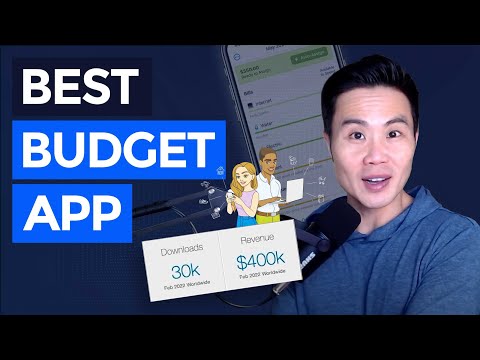











 App Masters