The Walking Dead
Telltale's episodic adventure built on moral choices.
Where The Walking Dead comes up2 episodes and tests
 Gcreator of Game Maker's Toolkit testThe 100 Games That Taught Me Game Design
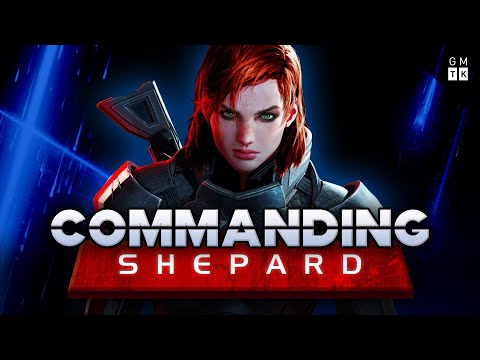 Gcreator of Game Maker's Toolkit testCommanding Shepard
Telltale's The Walking Dead cut puzzles to focus on hard decisions, like who gets food, and used timed dialogue to add pressure. It dropped binary morality for choices with real consequences. Guilt works because the player chose, as when Clementine asks about Ben. Lesson: tie hard choices to characters players love, and never take a major decision away, then hold them accountable. The sources give no sales figures.
- 1Cut the puzzlesHard choices became the game
- 2Add decaying timersDialogue boxes force pressured decisions
- 3Drop morality meterPlain choices with consequences instead
- 4Player owns outcomeClementine asks about Ben; guilt lands
From Telltale's The Walking Dead, page notes
What was said about The Walking Dead
Telltale cut puzzles so hard decisions became the game. The Walking Dead dropped puzzles to focus on difficult choices, such as who gets food and who is saved. Dialogue boxes carry a decaying timer, so players have to decide under pressure.
Telltale used plain choices with consequences instead of a morality meter. The Walking Dead dropped binary good/evil morality and simply presents choices that have consequences. It came out the same year as Mass Effect 3, which still used Paragon and Renegade.
The comparison is to Mass Effect 3's Tali versus Legion choice. That choice works because the player cares about specific characters, not because of a morality score.
Guilt lands in The Walking Dead because the player made the choice. When Clementine asks where Ben is after he was left to die, the player feels responsible because they picked that outcome. Taking a decision away and then holding the player accountable would not land the same way.
Mass Effect 2 is the contrast: Shepard joins Cerberus without the player having a say, so Ashley's condemnation on Horizon feels unearned.
The 100 Games That Taught Me Game Design
Telltale dropped puzzles to focus on hard decisions, like who gets food and who is saved. Dialogue boxes have a decaying timer.
Telltale cut puzzles so hard decisions became the game. The Walking Dead dropped puzzles to focus on difficult choices, such as who gets food and who is saved. Dialogue boxes carry a decaying timer, so players have to decide under pressure.
Commanding Shepard
It dropped binary morality for plain choices with real consequences, and came out the same year as Mass Effect 3. Guilt lands because the player made the choice, such as when Clementine asks where Ben is after he was left to die.
Telltale used plain choices with consequences instead of a morality meter. The Walking Dead dropped binary good/evil morality and simply presents choices that have consequences. It came out the same year as Mass Effect 3, which still used Paragon and Renegade.
The comparison is to Mass Effect 3's Tali versus Legion choice. That choice works because the player cares about specific characters, not because of a morality score.
Guilt lands in The Walking Dead because the player made the choice. When Clementine asks where Ben is after he was left to die, the player feels responsible because they picked that outcome. Taking a decision away and then holding the player accountable would not land the same way.
Mass Effect 2 is the contrast: Shepard joins Cerberus without the player having a say, so Ashley's condemnation on Horizon feels unearned.
More in Games
 Games
Nintendo
A Zelda adventure where Princess Zelda copies objects and monsters as echoes to solve puzzles and fight.
 Games
The Legend of Zelda: Breath of the Wild
Nintendo's long-running action-adventure series about Link exploring Hyrule, solving puzzles and fighting Ganon.
 Games
Dead Space
A major video game publisher and the guest's employer.
 G
 29 sources · 94 tips
Mind Over Magnet
A puzzle platformer where you escape a factory using a magnet and a magnetic field.
 Games
Far Cry 2
An open world action game where you recruit and play any of London's citizens.
 Games
God of War
A combat-focused action adventure game from Santa Monica Studio with Norse mythology and light puzzles.
Mind Over Magnet
Mark Brown's first game, a puzzle game he made while learning Unity.
 Games
Dishonored
A first-person stealth action game from Arkane with supernatural powers and the Clockwork Mansion level.