Mighty No. 9
A Kickstarter-funded platformer meant as a spiritual successor to Mega Man.
Where Mighty No. 9 comes up1 episode or test
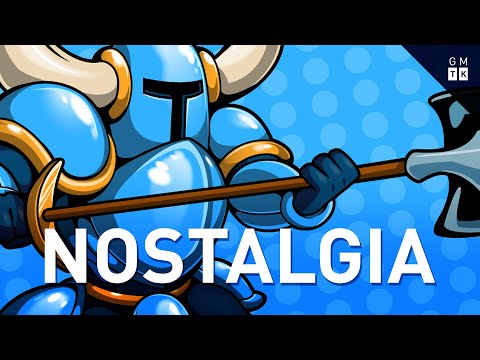
Mighty No. 9, a Kickstarter-funded Mega Man successor, copied its inspiration too closely. It kept frustrating deaths and limited lives, and added unremarkable visuals and poor voice acting. Game Maker's Toolkit says it recalled Capcom's worst traits. The lesson: borrow widely, keep the best, modernise the rest, and drop arcade-era punishment. Shovel Knight is the model. The sources give no sales or funding numbers.
- Dropped limited lives
- Dropped cheap hits
- Dropped respawning enemies
- Kept nostalgic feel
- Kept limited lives
- Kept frustrating deaths
- Unremarkable visuals, poor voice acting
- Recalled Capcom's worst traits
Shovel Knight kept the nostalgia and lost the flaws
From Nostalgic-game principles, Shovel Knight comparison
What was said about Mighty No. 9
Mighty No. 9 copied Mega Man flaws and all, and invited comparison. It only tries to be Mega Man, so it took the frustrating deaths and limited lives too. Its visual style is unremarkable and the voice acting is poor, so it recalled Capcom's worst traits instead of its best.
Limited lives were an arcade-era hold-over, meant to stop you finishing a game in an afternoon. Shovel Knight dropped lives, cheap hits and respawning enemies and kept the nostalgic feel, while Mighty No. 9 kept the lives system. Quote: "It was supposed to remind us of the best bits of Capcom's forgotten hero, but ended up reminding of us all his worst traits."
Mighty No. 9 is a test case for judging nostalgic games. The four principles are borrow widely, keep the best, modernise the rest, and add a rose-tinted look. Shovel Knight is the model, and they are then applied to Hyper Light Drifter and Mighty No. 9.
The principles can be used to judge any nostalgic release. Mighty No. 9 is the cautionary example, a Kickstarter-funded spiritual successor to Mega Man.
Shovel Knight and Nailing Nostalgia
It only tries to be Mega Man, so it takes the frustrating deaths and limited lives too. Its visual style is unremarkable and the voice acting is poor, so it recalled Capcom's worst traits instead of its best.
Mighty No. 9 copied Mega Man flaws and all, and invited comparison. It only tries to be Mega Man, so it took the frustrating deaths and limited lives too. Its visual style is unremarkable and the voice acting is poor, so it recalled Capcom's worst traits instead of its best.
Limited lives were an arcade-era hold-over, meant to stop you finishing a game in an afternoon. Shovel Knight dropped lives, cheap hits and respawning enemies and kept the nostalgic feel, while Mighty No. 9 kept the lives system. Quote: "It was supposed to remind us of the best bits of Capcom's forgotten hero, but ended up reminding of us all his worst traits."
Mighty No. 9 is a test case for judging nostalgic games. The four principles are borrow widely, keep the best, modernise the rest, and add a rose-tinted look. Shovel Knight is the model, and they are then applied to Hyper Light Drifter and Mighty No. 9.
The principles can be used to judge any nostalgic release. Mighty No. 9 is the cautionary example, a Kickstarter-funded spiritual successor to Mega Man.
More in Games
 Games
Nintendo
A Zelda adventure where Princess Zelda copies objects and monsters as echoes to solve puzzles and fight.
 Games
The Legend of Zelda: Breath of the Wild
Nintendo's long-running action-adventure series about Link exploring Hyrule, solving puzzles and fighting Ganon.
 Games
Dead Space
A major video game publisher and the guest's employer.
 G
 29 sources · 94 tips
Mind Over Magnet
A puzzle platformer where you escape a factory using a magnet and a magnetic field.
 Games
Far Cry 2
An open world action game where you recruit and play any of London's citizens.
 Games
God of War
A combat-focused action adventure game from Santa Monica Studio with Norse mythology and light puzzles.
Mind Over Magnet
Mark Brown's first game, a puzzle game he made while learning Unity.
 Games
Dishonored
A first-person stealth action game from Arkane with supernatural powers and the Clockwork Mansion level.