
Hades
A party-based RPG with basketball-style Rites battles from the makers of Bastion and Transistor.
Where Hades comes up7 episodes and tests
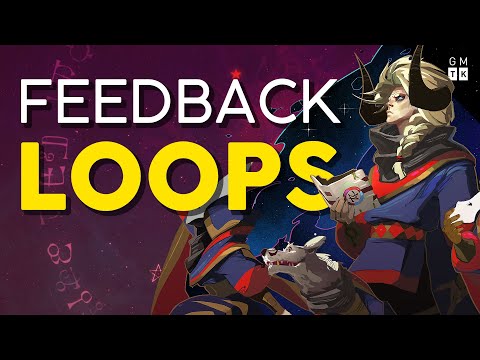 Gcreator of Game Maker's Toolkit testHow Games Use Feedback Loops
 Gcreator of Game Maker's Toolkit testHow to Make a Good 2D Camera
 Gcreator of Game Maker's Toolkit testHow To Combine Video Game Genres
 Gcreator of Game Maker's Toolkit testThe Power of Invisible Choices
 Gcreator of Game Maker's Toolkit testHow Accessible Were 2020's Biggest Games?
 Gcreator of Game Maker's Toolkit testWho Gets to be Awesome in Games?
 Gcreator of Game Maker's Toolkit testRoguelikes, Persistency, and Progression
Supergiant's Hades and Pyre keep players moving through failure: Hades unlocks story on each respawn, reacts to your last run, and offers God Mode and full remapping; Pyre gives XP for losses and removes strong units through liberation rites, making the final battles among the tensest. Lesson: make failure still pay off, offer several routes to winning, and build balancing loops into the story.
- 1Die in a runFailing is expected, over and over
- 2Characters react to itHypnos teases what killed you
- 3Unlock story and powerBackstory, gifts, God Mode strength
- 4Start a new runPersistence can substitute for skill
From Mark Brown's analysis of Hades
What was said about Hades
1How Pyre balances its feedback loops
- Veterans become steamrollers
- Dead soldiers replaced by rookies
- Falling behind means death spiral
- Losing still earns some XP
- No permadeath after a loss
- Liberation rites free your best
Mistakes become a road bump, not a tipping point
From Mark Brown on Pyre vs XCOM
Pyre pairs its snowballing progression with negative loops to keep matches close. Characters level up when they win and the game always moves on after a loss, which could snowball in either direction. Supergiant countered this with negative loops, so mistakes became a road bump instead of a tipping point.
Reusing the same team every match would outgrow every challenge, while a few losses could leave a team too weak to catch up. Mark Brown compares the structure to XCOM, where veterans become steamrollers and players who fall behind get stuck in a death spiral.
Losing a match still earns some experience, and there is no permadeath. Because Pyre moves forward after a loss, a weaker player could fall behind for good. Giving XP for lost matches and keeping characters alive means one bad match does not wreck later ones.
This is the contrast with XCOM, where dead soldiers are replaced by weak rookies. Quote: "you still receive some experience points for failing."
Liberation rites remove your best characters, and that removal is the goal. Winning a liberation rite lets a high-ranked character leave the Downside purgatory for good, so you permanently send away your strongest units. This forces you to level the whole roster, and the final, hardest battles are fought with weaker characters, which made them among the tensest.
Since freeing characters is the stated objective and tied to their story arcs, it does not feel like a punishment for winning. Mark Brown calls it "a permadeath that is a good thing" and says he freed his favourite characters because they truly deserved to get out.
Balancing loops never make losing better than winning. Pyre's negative loops leave a win as the better result, so the player's incentives stay aligned with playing well. Inside a Rite, a scorer sits out the next play, giving the other team a numbers advantage, much as the other team gets the ball after a score in real basketball.
Mark Brown contrasts this with Resident Evil 4, where Capcom hid its dynamic difficulty because telling players the game eases up when they struggle is effectively telling good players to make mistakes. Quote: "It is still better to win a match than to lose it."
Pyre's camera keeps both the active character and the ball on screen. In a Rite, the character you control and the ball matter equally, so the camera zooms and moves to keep both prominent. This stops the player losing track of the ball while steering a character.
Quote: "the camera zooms and moves in an attempt to make sure both are prominent on screen simultaneously."
2How Hades turns dying into progress
Each death in Hades unlocks more story and character backstory. Every respawn reveals more about the characters, and gifting items found in runs to hub characters unlocks more story. That gives players something to hold onto while they keep failing at the actual game.
Quote: "Unlocking new narrative stuff gives you something to hold onto, even while you're failing over and over again."
Hades characters react to the specific details of your last run. Characters discuss your most recent run in detail, and Hypnos teases you about which enemies killed you and suggests killing them first. The game logs many small actions rather than a few big choices and reacts to them.
Mark Brown groups this with Shadow of War's orcs recalling your last encounter. Quote: "it can build up a massive, and highly detailed databank of everything the player is doing."
3Hades weapons, God Mode and who gets to feel powerful
Hades offers weapons of different difficulty plus unlockable power so time can replace skill. The shield is defensive and forgiving, while the fists demand close, risky play. Players can also unlock extra power and health through persistence, so effort can substitute for skill.
The aim is that both a player using assists and one picking the hardest options can each hit their optimum challenge. Quote: "it's possible to succeed not by getting better - but by simply playing the game for a long time."
God Mode makes you stronger each time you die. Hades ships God Mode as an assist that raises your strength with every death, one of several examples of breaking difficulty into separate options rather than one setting.
Hades rewards swapping to weapons you have not used lately. Instead of upgrades that lock players into one style, Hades gives incentives to try a different weapon, nudging players toward new play styles and keeping the power fantasy moving as they improve.
Mark Brown contrasts this with style-specific upgrades that create a positive feedback loop, as in Dishonored, where players quick load when spotted instead of going violent.
4Hades accessibility: remapping and visual clutter
Hades ships full in-game button remapping. Hades was among the games offering full controller remapping inside the game, which more than half of the controller games surveyed did. Console-level remapping exists but is tedious to redo per game.
Quote: "developers shouldn't rely on it. It's tedious to change the buttons between games."
Hades' many projectiles, enemies and traps make action hard to read. Its busy screens are cited as a visual clutter problem, the kind options that boost the visibility of key elements are meant to solve.
How to Make a Good 2D Camera
Zooms and moves the camera so the active character and the ball both stay prominent, since they matter equally.
Pyre's camera keeps both the active character and the ball on screen. In a Rite, the character you control and the ball matter equally, so the camera zooms and moves to keep both prominent. This stops the player losing track of the ball while steering a character.
Quote: "the camera zooms and moves in an attempt to make sure both are prominent on screen simultaneously."
How To Combine Video Game Genres
It rewards players for swapping to a new weapon, nudging them to try other play styles.
Hades rewards swapping to weapons you have not used lately. Instead of upgrades that lock players into one style, Hades gives incentives to try a different weapon, nudging players toward new play styles and keeping the power fantasy moving as they improve.
Mark Brown contrasts this with style-specific upgrades that create a positive feedback loop, as in Dishonored, where players quick load when spotted instead of going violent.
The Power of Invisible Choices
Characters discuss the exact details of your last run, and Hypnos teases you about which enemies killed you and suggests killing them first.
Hades characters react to the specific details of your last run. Characters discuss your most recent run in detail, and Hypnos teases you about which enemies killed you and suggests killing them first. The game logs many small actions rather than a few big choices and reacts to them.
Mark Brown groups this with Shadow of War's orcs recalling your last encounter. Quote: "it can build up a massive, and highly detailed databank of everything the player is doing."
How Accessible Were 2020's Biggest Games?
Ships full button remapping and a God Mode that makes you stronger each time you die. Its many projectiles and traps make action hard to follow, which is a visual clutter problem.
God Mode makes you stronger each time you die. Hades ships God Mode as an assist that raises your strength with every death, one of several examples of breaking difficulty into separate options rather than one setting.
Hades ships full in-game button remapping. Hades was among the games offering full controller remapping inside the game, which more than half of the controller games surveyed did. Console-level remapping exists but is tedious to redo per game.
Quote: "developers shouldn't rely on it. It's tedious to change the buttons between games."
Hades' many projectiles, enemies and traps make action hard to read. Its busy screens are cited as a visual clutter problem, the kind options that boost the visibility of key elements are meant to solve.
Who Gets to be Awesome in Games?
Offers weapons of different difficulty, such as forgiving shields and risky fists, plus unlockable power and health so time can replace skill. It also rewards trying weapons you haven't used lately.
Hades offers weapons of different difficulty plus unlockable power so time can replace skill. The shield is defensive and forgiving, while the fists demand close, risky play. Players can also unlock extra power and health through persistence, so effort can substitute for skill.
The aim is that both a player using assists and one picking the hardest options can each hit their optimum challenge. Quote: "it's possible to succeed not by getting better - but by simply playing the game for a long time."
Hades rewards swapping to weapons you have not used lately. Instead of upgrades that lock players into one style, Hades gives incentives to try a different weapon, nudging players toward new play styles and keeping the power fantasy moving as they improve.
Mark Brown contrasts this with style-specific upgrades that create a positive feedback loop, as in Dishonored, where players quick load when spotted instead of going violent.
Roguelikes, Persistency, and Progression
Unlocks character backstory on each respawn and when you gift items to hub characters. This gives players something to hold onto while they keep failing.
Each death in Hades unlocks more story and character backstory. Every respawn reveals more about the characters, and gifting items found in runs to hub characters unlocks more story. That gives players something to hold onto while they keep failing at the actual game.
Quote: "Unlocking new narrative stuff gives you something to hold onto, even while you're failing over and over again."
How Games Use Feedback Loops
Pyre pairs XP and persistent progression with negative loops: losses still give experience, there is no permadeath, and liberation rites remove your strongest characters so the final battles are fought with weaker units. Mistakes become a road bump instead of a tipping point, and the last battles were among the tensest. Supergiant countered Pyre's possible snowballing with negative loops so the game stays a close challenge. Liberation ties the balancing into the goal and the character drama.
Pyre pairs its snowballing progression with negative loops to keep matches close. Characters level up when they win and the game always moves on after a loss, which could snowball in either direction. Supergiant countered this with negative loops, so mistakes became a road bump instead of a tipping point.
Reusing the same team every match would outgrow every challenge, while a few losses could leave a team too weak to catch up. Mark Brown compares the structure to XCOM, where veterans become steamrollers and players who fall behind get stuck in a death spiral.
Losing a match still earns some experience, and there is no permadeath. Because Pyre moves forward after a loss, a weaker player could fall behind for good. Giving XP for lost matches and keeping characters alive means one bad match does not wreck later ones.
This is the contrast with XCOM, where dead soldiers are replaced by weak rookies. Quote: "you still receive some experience points for failing."
Liberation rites remove your best characters, and that removal is the goal. Winning a liberation rite lets a high-ranked character leave the Downside purgatory for good, so you permanently send away your strongest units. This forces you to level the whole roster, and the final, hardest battles are fought with weaker characters, which made them among the tensest.
Since freeing characters is the stated objective and tied to their story arcs, it does not feel like a punishment for winning. Mark Brown calls it "a permadeath that is a good thing" and says he freed his favourite characters because they truly deserved to get out.
Balancing loops never make losing better than winning. Pyre's negative loops leave a win as the better result, so the player's incentives stay aligned with playing well. Inside a Rite, a scorer sits out the next play, giving the other team a numbers advantage, much as the other team gets the ball after a score in real basketball.
Mark Brown contrasts this with Resident Evil 4, where Capcom hid its dynamic difficulty because telling players the game eases up when they struggle is effectively telling good players to make mistakes. Quote: "It is still better to win a match than to lose it."
More in Games
 Games
Nintendo
A Zelda adventure where Princess Zelda copies objects and monsters as echoes to solve puzzles and fight.
 Games
The Legend of Zelda: Breath of the Wild
Nintendo's long-running action-adventure series about Link exploring Hyrule, solving puzzles and fighting Ganon.
 Games
Dead Space
A major video game publisher and the guest's employer.
 G
 29 sources · 94 tips
Mind Over Magnet
A puzzle platformer where you escape a factory using a magnet and a magnetic field.
 Games
Far Cry 2
An open world action game where you recruit and play any of London's citizens.
 Games
God of War
A combat-focused action adventure game from Santa Monica Studio with Norse mythology and light puzzles.
Mind Over Magnet
Mark Brown's first game, a puzzle game he made while learning Unity.
 Games
Dishonored
A first-person stealth action game from Arkane with supernatural powers and the Clockwork Mansion level.