
Sandia National Laboratories
A weapons lab that built the non-nuclear parts of atomic weapons and was run by AT&T.
Where Sandia National Laboratories comes up1 book
What was said about Sandia National Laboratories
AT&T agreed to run Sandia only if it earned no profit. Sandia was a weapons lab that built the non-nuclear parts of atomic weapons. It had fifteen hundred staff, and AT&T took it on the condition that it make no profit.
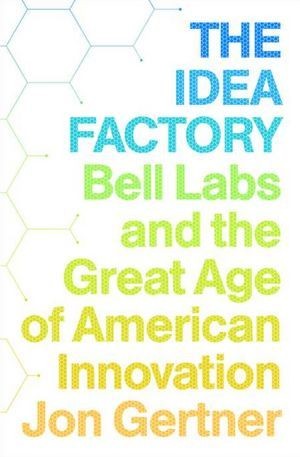
The source is Jon Gertner's The Idea Factory, a book about Bell Labs, which mentions Sandia as part of Bell's wider work.
Sandia became a rotation post for rising Bell managers. Managers on the way up went through the lab, and it tied Bell to cold war defense work.
The Idea Factory: Bell Labs and the Great Age of American Innovation
Had fifteen hundred staff, and AT&T took it on the condition that it earn no profit. It became a rotation post for rising managers and tied Bell to cold war defense work.
AT&T agreed to run Sandia only if it earned no profit. Sandia was a weapons lab that built the non-nuclear parts of atomic weapons. It had fifteen hundred staff, and AT&T took it on the condition that it make no profit.
The source is Jon Gertner's The Idea Factory, a book about Bell Labs, which mentions Sandia as part of Bell's wider work.
Sandia became a rotation post for rising Bell managers. Managers on the way up went through the lab, and it tied Bell to cold war defense work.
More in Other
 Other
Apple
A consumer technology company that makes the Mac, iPod, iPhone and software.



 89 sources · 215 tips
 Other
A technology company that builds frontier AI models, hardware and products used by billions of people.

 57 sources · 108 tips
 Other
Google Play
Google's app store for Android, with its own listing rules and search ranking.
 18 sources · 49 tips
Standard Oil
John D. Rockefeller's oil refining company that came to dominate American kerosene and oil distribution.
5 sources · 48 tips Other
Intel
A semiconductor company that made memory chips and the first microprocessor.
B12 sources · 23 tips Other
TSMC
The world's leading contract chip maker, a pure-play foundry that manufactures chips for fabless designers.
6 sources · 32 tips Other
Tesla
An electric car maker that builds its own key components and factories.
 14 sources · 23 tips
 Other
SpaceX
A private aerospace company building reusable rockets, the Dragon capsule, Starship and the Starlink satellite network.
5 sources · 29 tips