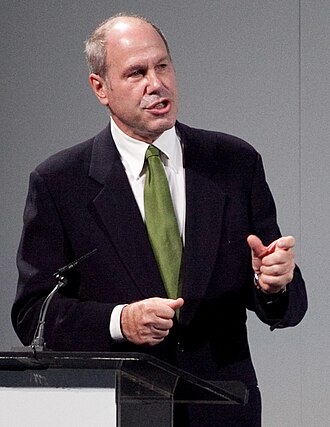
Roy Disney
Founders of the Walt Disney Company
Where to hear and read about Roy Disney1 episode or test

Roy Disney co-founded the Disney Brothers Studio with his younger brother Walt in 1923 and ran the business side for nearly fifty years while Walt ran the creative side. He shows how a financial partner can argue against a visionary's riskiest bets, then find the money, structure the deals and protect the company so those bets can happen.
Our product is practically eternal.
The Walt Disney Company: The most successful enterprise for monetizing human nostalgia
Roy Disney: the story and the lessons
1How Roy and Walt Disney split the Disney Brothers Studio
Roy left a tuberculosis ward to start the studio with Walt. When Walt showed him the Alice comedies contract, Roy got up and left the ward. Margaret Winkler ordered 12 comedies at $1,500 to $1,800 each, signed October 16, 1923, founding the Disney Brothers Studio.
Walt had just gone bankrupt in Kansas City and arrived in Hollywood at 21 with no directing experience. The studio made 57 Alice comedies by 1927.
Roy ran the business while Walt ran the creative side. The division held from the first contract onward. As the studio grew and was renamed the Walt Disney Studio, ownership was 60% Walt and his wife, 40% Roy and his wife.
Losing Oswald taught both brothers to own their IP and talent. In early 1928 distributor Charles Mintz secretly signed nearly all their animators and demanded $500 less per short. With no rights to Oswald and no staff contracts, the studio was worth effectively zero.
Walt and Roy never forgot it. Disney built Mickey as IP it owned outright and never sold its catalog, and only got Oswald back in 2006.
2Roy Disney and the merchandise flywheel
Walt and Roy hired Kay Kamen after a handshake deal left them blind. A $300 handshake license for Mickey writing tablets sold hugely, but Disney never knew the sales. They made adman Kay Kamen exclusive merchandise agent in 1933, taking 60% of the first $100,000 in royalties and splitting the rest 50/50.
Gross merchandise sales hit $6 million within six months and $70 million a year by 1935. The Ingersoll Mickey Mouse watch sold 2.5 million units in two years and saved a near-bankrupt company.
Merchandise royalties overtook film rentals within a year. By about 1934 royalties passed what the films earned. United Artists advanced $15,000 per short while Walt spent over $30,000 to make each one, so licensing carried the economics.
Roy saw the catalog as an asset that never expires. Wartime cash pressure led Disney to re-release Snow White in 1944, earning $3 million on a few hundred thousand dollars of cost. A roughly seven-year reissue cycle followed, timed to each new generation of children.
Roy later summed up the logic to the Wall Street Journal: "Our product is practically eternal."
Roy named integration as the company's operating idea. By the late 1950s every release fed every other line of business. Sleeping Beauty arrived with a castle, dioramas, dolls, books, TV segments, a soundtrack and comics all ahead of the film.
"Integration is the key word around here," Roy said, as a 1958 Wall Street Journal piece carried the flywheel illustration drawn by a studio artist.
3Roy Disney as the brake on Walt's biggest bets
Roy warned that Snow White would bankrupt the studio. Shorts cost $15,000 to $30,000, and Snow White cost $1.5 million over three years. Walt went ahead anyway, financed by a series of Bank of America loans.
The film rented for $8 million, but after theaters, distributor and debt about $2.2 million was left, and most profit went to repaying the bank.
Overreach after Snow White forced the first outside equity sale. The $3 million Burbank campus plus Pinocchio, Bambi and Fantasia left Disney $8 million in the hole. In April 1940 the company sold $3.875 million of 6% convertible preferred stock, about 30% of the company.
Fees left roughly $3.5 million, which covered the hole exactly. Henry Ford told Walt the sale was a half measure: "Walt, if you sold any of it, you should have sold all of it."
Roy resisted Cinderella until Walt threatened to sell the company. After the war Roy wanted cheap packages and live action to protect a debt-heavy company. Walt's ultimatum won, and Roy raised another $2 million in 1950.
Cinderella earned about $8 million in first-year rentals on a $2.2 million cost, the best result since Snow White.
Roy defended flops as long-term assets to shareholders. When Alice in Wonderland ballooned over budget, Roy's 1951 report blamed poor theater attendance. He called the film "a valuable asset to the company indefinitely."
4How Roy Disney settled the 1941 animators' strike
Roy cleaned up the strike while Walt left the country. Lenders forced a cap of $15,000 a week with labor at 85 to 90% of costs, and Walt's nearly three-hour speech inflamed the staff. Walt took a Latin America trip he called a godsend, and Roy negotiated the settlement.
A labor magazine said the speech recruited more Screen Cartoonist Guild members than a year of campaigning.
The settlement kept the studio alive but permanently smaller. Roy recognized the union and agreed to over 500 layoffs, cutting staff from 1,200 to under 700. The strike lasted three and a half months.
Walt never regained the same bond with the studio afterward.
5How Roy Disney structured the money behind Disneyland
Roy and the board first refused to fund Walt's park. In 1952 the board would not even fund a study, so Walt formed WED Enterprises and pulled animators onto the project. A 1953 cost-plus contract with WED then let the public company support the work.
Walt kept his $153,000 salary and took 10% of merchandise sold. Three directors resigned and a shareholder suit failed.
Roy's deal structuring and a bet on television paid for the park. Third-place ABC put in $500,000 of equity, guaranteed $4.5 million of loans and paid $5 million a year for seven years, then the largest TV contract in history. Walt kept full creative control.
CBS and NBC wanted a series but not the park. ABC also got the park's food and beverage profits for ten years. 83 million people watched the opening in July 1955.
Roy shielded the company while Walt risked his own fortune. The structure protected Disney financially, while Walt sold his Palm Springs house and borrowed $100,000 against his life insurance. The initial cap table was Disney 500K, ABC 500K, Western Publishing 200K and Walt 250K.
Disney held 66% by 1958 and bought ABC out for $7.5 million in 1960. Owning everything inside the park took 27 years in all.
Disney launched its own distribution only once it had the cash. A distributor must carry films before theaters pay, so Buena Vista started in 1953, replacing RKO, after parks, TV and merchandise built a stable base. Outside distributors had been taking about a third of total rentals.
In 1961 Disney paid off its last Bank of America loan after 22 years of debt.
6How Roy Disney finished Walt Disney World
Roy shrank Walt's city of the future into a debt-free theme park. After Walt died in December 1966, Roy renamed the project for him and won Florida's approval in May 1967, including the Reedy Creek Development District. The Magic Kingdom and two hotels cost $400 million with no debt.
No city, airport or industrial park was built. Reedy Creek gave far more control than Anaheim, where Walt had regretted not buying the surrounding land.
Roy died 2.5 months after the Florida park opened. He died at the end of 1971. Without either brother, the company grew by harvesting parks while animation staff fell from about 500 to 125.
By 1984 parks and consumer products earned $250 million in operating income while film and TV earned $2.2 million, and corporate raiders came for the company.

The Walt Disney Company: The most successful enterprise for monetizing human nostalgia
Walt Disney's era shows how an artist-led company can turn timeless animated IP into a business that earns from films, merchandise, television and parks, and why that took repeated all-in bets that nearly sank it. The decisions that make it worth hearing are Snow White, the Kay Kamen merchandise deal and the ABC-financed Disneyland.
Roy left a tuberculosis ward to start the studio with Walt. When Walt showed him the Alice comedies contract, Roy got up and left the ward. Margaret Winkler ordered 12 comedies at $1,500 to $1,800 each, signed October 16, 1923, founding the Disney Brothers Studio.
Walt had just gone bankrupt in Kansas City and arrived in Hollywood at 21 with no directing experience. The studio made 57 Alice comedies by 1927.
Roy ran the business while Walt ran the creative side. The division held from the first contract onward. As the studio grew and was renamed the Walt Disney Studio, ownership was 60% Walt and his wife, 40% Roy and his wife.
Losing Oswald taught both brothers to own their IP and talent. In early 1928 distributor Charles Mintz secretly signed nearly all their animators and demanded $500 less per short. With no rights to Oswald and no staff contracts, the studio was worth effectively zero.
Walt and Roy never forgot it. Disney built Mickey as IP it owned outright and never sold its catalog, and only got Oswald back in 2006.
Walt and Roy hired Kay Kamen after a handshake deal left them blind. A $300 handshake license for Mickey writing tablets sold hugely, but Disney never knew the sales. They made adman Kay Kamen exclusive merchandise agent in 1933, taking 60% of the first $100,000 in royalties and splitting the rest 50/50.
Gross merchandise sales hit $6 million within six months and $70 million a year by 1935. The Ingersoll Mickey Mouse watch sold 2.5 million units in two years and saved a near-bankrupt company.
Merchandise royalties overtook film rentals within a year. By about 1934 royalties passed what the films earned. United Artists advanced $15,000 per short while Walt spent over $30,000 to make each one, so licensing carried the economics.
Roy saw the catalog as an asset that never expires. Wartime cash pressure led Disney to re-release Snow White in 1944, earning $3 million on a few hundred thousand dollars of cost. A roughly seven-year reissue cycle followed, timed to each new generation of children.
Roy later summed up the logic to the Wall Street Journal: "Our product is practically eternal."
Roy named integration as the company's operating idea. By the late 1950s every release fed every other line of business. Sleeping Beauty arrived with a castle, dioramas, dolls, books, TV segments, a soundtrack and comics all ahead of the film.
"Integration is the key word around here," Roy said, as a 1958 Wall Street Journal piece carried the flywheel illustration drawn by a studio artist.
Roy warned that Snow White would bankrupt the studio. Shorts cost $15,000 to $30,000, and Snow White cost $1.5 million over three years. Walt went ahead anyway, financed by a series of Bank of America loans.
The film rented for $8 million, but after theaters, distributor and debt about $2.2 million was left, and most profit went to repaying the bank.
Overreach after Snow White forced the first outside equity sale. The $3 million Burbank campus plus Pinocchio, Bambi and Fantasia left Disney $8 million in the hole. In April 1940 the company sold $3.875 million of 6% convertible preferred stock, about 30% of the company.
Fees left roughly $3.5 million, which covered the hole exactly. Henry Ford told Walt the sale was a half measure: "Walt, if you sold any of it, you should have sold all of it."
Roy resisted Cinderella until Walt threatened to sell the company. After the war Roy wanted cheap packages and live action to protect a debt-heavy company. Walt's ultimatum won, and Roy raised another $2 million in 1950.
Cinderella earned about $8 million in first-year rentals on a $2.2 million cost, the best result since Snow White.
Roy defended flops as long-term assets to shareholders. When Alice in Wonderland ballooned over budget, Roy's 1951 report blamed poor theater attendance. He called the film "a valuable asset to the company indefinitely."
Roy cleaned up the strike while Walt left the country. Lenders forced a cap of $15,000 a week with labor at 85 to 90% of costs, and Walt's nearly three-hour speech inflamed the staff. Walt took a Latin America trip he called a godsend, and Roy negotiated the settlement.
A labor magazine said the speech recruited more Screen Cartoonist Guild members than a year of campaigning.
The settlement kept the studio alive but permanently smaller. Roy recognized the union and agreed to over 500 layoffs, cutting staff from 1,200 to under 700. The strike lasted three and a half months.
Walt never regained the same bond with the studio afterward.
Roy and the board first refused to fund Walt's park. In 1952 the board would not even fund a study, so Walt formed WED Enterprises and pulled animators onto the project. A 1953 cost-plus contract with WED then let the public company support the work.
Walt kept his $153,000 salary and took 10% of merchandise sold. Three directors resigned and a shareholder suit failed.
Roy's deal structuring and a bet on television paid for the park. Third-place ABC put in $500,000 of equity, guaranteed $4.5 million of loans and paid $5 million a year for seven years, then the largest TV contract in history. Walt kept full creative control.
CBS and NBC wanted a series but not the park. ABC also got the park's food and beverage profits for ten years. 83 million people watched the opening in July 1955.
Roy shielded the company while Walt risked his own fortune. The structure protected Disney financially, while Walt sold his Palm Springs house and borrowed $100,000 against his life insurance. The initial cap table was Disney 500K, ABC 500K, Western Publishing 200K and Walt 250K.
Disney held 66% by 1958 and bought ABC out for $7.5 million in 1960. Owning everything inside the park took 27 years in all.
Disney launched its own distribution only once it had the cash. A distributor must carry films before theaters pay, so Buena Vista started in 1953, replacing RKO, after parks, TV and merchandise built a stable base. Outside distributors had been taking about a third of total rentals.
In 1961 Disney paid off its last Bank of America loan after 22 years of debt.
Roy shrank Walt's city of the future into a debt-free theme park. After Walt died in December 1966, Roy renamed the project for him and won Florida's approval in May 1967, including the Reedy Creek Development District. The Magic Kingdom and two hotels cost $400 million with no debt.
No city, airport or industrial park was built. Reedy Creek gave far more control than Anaheim, where Walt had regretted not buying the surrounding land.
Roy died 2.5 months after the Florida park opened. He died at the end of 1971. Without either brother, the company grew by harvesting parks while animation staff fell from about 500 to 125.
By 1984 parks and consumer products earned $250 million in operating income while film and TV earned $2.2 million, and corporate raiders came for the company.
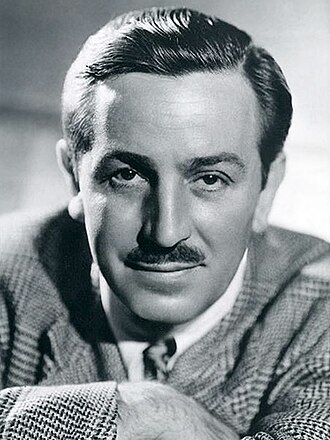
 The Walt Disney Company