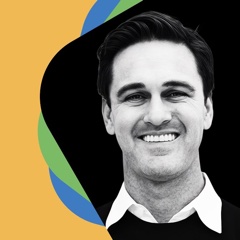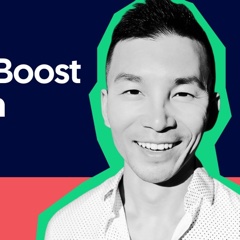
Shawn Gong
Product leader in monetization and growth at Tinder (previously Grindr)
Where to hear and read about Shawn Gong1 episode or test

Shawn Gong is a product leader in monetization and growth at Tinder, and earlier at Grindr. The thing most worth learning from him is to design offers around how people actually decide, in seconds and on feeling, and to prove willingness to pay with real purchases rather than stated intent.
don't treat your users as they are logical human beings
Dynamic Paywalls That Drove Millions in New Revenue – Shawn Gong, Tinder
Shawn Gong: the story and the lessons
1What Shawn Gong found wrong with Tinder's paywall
Gong builds monetization and growth engines at consumer apps with large-scale pricing tests. He has led monetization and growth at Tinder and Grindr, and has worked on Tinder's monetization for the last few years. Tinder runs hybrid monetization: several subscription tiers, each with weekly and monthly plans, plus boosts and in-app purchases.
Gong describes that wide range of options as a strength that also creates confusion.
Gong found users buy on assumption, not by comparing features. Some users bought Platinum, the top tier, simply because it was the most expensive, while using only Gold features. Tinder had assumed people would compare Plus, Gold and Platinum side by side.
Tinder saw it could either save those users money with Gold or educate them about the Platinum features they never used.
Too many options made some Tinder users buy nothing. Shoppers who wanted to buy felt overwhelmed and chose not to, so conversion fell. A paywall built to maximize revenue was lowering it.
Gong calls it a classic misalignment of incentives, with the interface working against Tinder's own goal.
Gong says users decide within a second, on emotion. Listing every feature and benefit is a common paywall mistake, because users skip the reading and choose on feeling. The product's job is to help them decide.
His method is to watch real behavior and talk to users to find the emotion behind a purchase. "No user make decision within a second."
2How Gong's team built Tinder's machine learning paywall
Tinder stopped showing everyone the same paywall and gave each user one product. The machine learning team proposed predicting each user's willingness to pay, and the paywall now asks the model which product to surface for each user.
Gong compares it to Netflix's "top picks". Showing Plus to someone ready for Platinum loses revenue and also denies that user the best benefits.
Gong started the model on a few paywalls, not all of them. Training and testing a pricing model is expensive and slow, so Tinder began with a couple of features. Control kept the old deterministic paywall and treatment asked the model per user, measured on conversion and total revenue.
The ML paywall is predicted to add millions in annual revenue. Tinder estimates a multimillion-dollar annual revenue increase, a prediction based on the A/B test.
Gong says the goal is not revenue for its own sake: extra revenue is reinvested to give users a better product.
Tinder tracks counter metrics and keeps iterating on the model. Tinder compares several models against each other and against no model. If a user who once bought Plus now buys Platinum, it checks whether that user returns, rebuys or cancels.
Gong treats the paywall model as a product to keep improving, aiming at long-term success rather than launch and done.
Gong says founders without an ML team can offer three tiers. With one product the question is buy or not; with three it becomes which one. Some pick the priciest, some the cheapest, and the unsure pick the middle.
He calls the unlock decision design: helping users choose what truly fits them mattered more than better pricing. "You bypass the yes or no and it's more likely to convert."
3Gong's rules for selling features a la carte
Gong unbundles features whose use depends on the moment. Boost fits when you get too few likes or swipe at peak hours, Super Likes fit because nobody knows how many they will send, and Passport suits travelers. Passport was sold for one day, three days or a week.
Standalone Passport conversion "went crazy" at launch, capturing people who did not want a subscription. Subscriptions stay easier to buy because a package renews automatically.
Gong raised the standalone price when it cannibalized subscriptions. Standalone Passport first converted very well, but some buyers took only the feature instead of Plus. Raising the price cut cannibalization, conversion dipped a little, and total revenue went up.
Tinder kept testing higher prices to minimize the overlap.
Tinder priced 7-day Passport the same as 7-day Plus. At equal price, Plus includes more, so the subscription looks like the obvious better deal.
Together with higher a la carte prices and a paywall upsell, this cut subscription cannibalization while total revenue rose.
Tinder's ML paywall shows the subscription first and a la carte second. After price tests and an upsell showing Passport and Plus side by side were not enough, the model took over sequencing. Only users who decline the subscription see the standalone offer.
The a la carte offer works as a second chance to pay.
4Why Tinder Select failed and what Gong took from it
Tinder tested a higher tier on its biggest spenders. Tinder has a few whales who buy the top subscriptions and many a la carte products. The Select test asked whether a still higher tier with better service would sell to them.
Gong says a luxury tier needs a brand and audience that fit. Tinder serves a massive population, so a luxury tier felt out of place. In Gong's example, you pay $499 a month and then see ordinary people on the app, so you don't feel special.
His comparison is a club: an exclusive, expensive club is one thing, a regular club with an expensive table is another.
Stated willingness to pay did not turn into purchases. Tinder will gradually scale Select down because it is not worth more investment. Gong says it is not like a fail, because Tinder learned what it set out to learn.
Tinder has better bets for its effort. The lesson is that people don't always do what they say in surveys or interviews, but you should still run the test.
Gong tells founders to monetize early and not feel bad charging. He says users who want to pay deserve to, because revenue funds a better experience and helps a company compete and move faster.
He adds that growth only counts if it keeps users, so it should rest on defensible loops that protect retention.

Dynamic Paywalls That Drove Millions in New Revenue – Shawn Gong, Tinder
Tinder used machine learning to show each user the single product they are most likely to buy instead of every tier and plan, and learned how to sell features a la carte without cannibalizing subscriptions. The ML paywall drove a multi-million dollar annual revenue increase, and the failed Tinder Select tier shows that stated willingness to pay is not enough.
Gong builds monetization and growth engines at consumer apps with large-scale pricing tests. He has led monetization and growth at Tinder and Grindr, and has worked on Tinder's monetization for the last few years. Tinder runs hybrid monetization: several subscription tiers, each with weekly and monthly plans, plus boosts and in-app purchases.
Gong describes that wide range of options as a strength that also creates confusion.
Gong found users buy on assumption, not by comparing features. Some users bought Platinum, the top tier, simply because it was the most expensive, while using only Gold features. Tinder had assumed people would compare Plus, Gold and Platinum side by side.
Tinder saw it could either save those users money with Gold or educate them about the Platinum features they never used.
Too many options made some Tinder users buy nothing. Shoppers who wanted to buy felt overwhelmed and chose not to, so conversion fell. A paywall built to maximize revenue was lowering it.
Gong calls it a classic misalignment of incentives, with the interface working against Tinder's own goal.
Gong says users decide within a second, on emotion. Listing every feature and benefit is a common paywall mistake, because users skip the reading and choose on feeling. The product's job is to help them decide.
His method is to watch real behavior and talk to users to find the emotion behind a purchase. "No user make decision within a second."
Tinder stopped showing everyone the same paywall and gave each user one product. The machine learning team proposed predicting each user's willingness to pay, and the paywall now asks the model which product to surface for each user.
Gong compares it to Netflix's "top picks". Showing Plus to someone ready for Platinum loses revenue and also denies that user the best benefits.
Gong started the model on a few paywalls, not all of them. Training and testing a pricing model is expensive and slow, so Tinder began with a couple of features. Control kept the old deterministic paywall and treatment asked the model per user, measured on conversion and total revenue.
The ML paywall is predicted to add millions in annual revenue. Tinder estimates a multimillion-dollar annual revenue increase, a prediction based on the A/B test.
Gong says the goal is not revenue for its own sake: extra revenue is reinvested to give users a better product.
Tinder tracks counter metrics and keeps iterating on the model. Tinder compares several models against each other and against no model. If a user who once bought Plus now buys Platinum, it checks whether that user returns, rebuys or cancels.
Gong treats the paywall model as a product to keep improving, aiming at long-term success rather than launch and done.
Gong says founders without an ML team can offer three tiers. With one product the question is buy or not; with three it becomes which one. Some pick the priciest, some the cheapest, and the unsure pick the middle.
He calls the unlock decision design: helping users choose what truly fits them mattered more than better pricing. "You bypass the yes or no and it's more likely to convert."
Gong unbundles features whose use depends on the moment. Boost fits when you get too few likes or swipe at peak hours, Super Likes fit because nobody knows how many they will send, and Passport suits travelers. Passport was sold for one day, three days or a week.
Standalone Passport conversion "went crazy" at launch, capturing people who did not want a subscription. Subscriptions stay easier to buy because a package renews automatically.
Gong raised the standalone price when it cannibalized subscriptions. Standalone Passport first converted very well, but some buyers took only the feature instead of Plus. Raising the price cut cannibalization, conversion dipped a little, and total revenue went up.
Tinder kept testing higher prices to minimize the overlap.
Tinder priced 7-day Passport the same as 7-day Plus. At equal price, Plus includes more, so the subscription looks like the obvious better deal.
Together with higher a la carte prices and a paywall upsell, this cut subscription cannibalization while total revenue rose.
Tinder's ML paywall shows the subscription first and a la carte second. After price tests and an upsell showing Passport and Plus side by side were not enough, the model took over sequencing. Only users who decline the subscription see the standalone offer.
The a la carte offer works as a second chance to pay.
Tinder tested a higher tier on its biggest spenders. Tinder has a few whales who buy the top subscriptions and many a la carte products. The Select test asked whether a still higher tier with better service would sell to them.
Gong says a luxury tier needs a brand and audience that fit. Tinder serves a massive population, so a luxury tier felt out of place. In Gong's example, you pay $499 a month and then see ordinary people on the app, so you don't feel special.
His comparison is a club: an exclusive, expensive club is one thing, a regular club with an expensive table is another.
Stated willingness to pay did not turn into purchases. Tinder will gradually scale Select down because it is not worth more investment. Gong says it is not like a fail, because Tinder learned what it set out to learn.
Tinder has better bets for its effort. The lesson is that people don't always do what they say in surveys or interviews, but you should still run the test.
Gong tells founders to monetize early and not feel bad charging. He says users who want to pay deserve to, because revenue funds a better experience and helps a company compete and move faster.
He adds that growth only counts if it keeps users, so it should rest on defensible loops that protect retention.
 Tinder