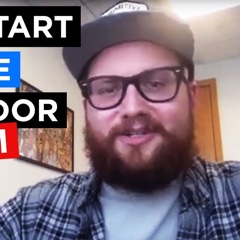
Jake Ellenburg
CMO of XMode, former first campus rep at Drunk Mode
Where to hear and read about Jake Ellenburg1 episode or test

Jake Ellenburg is CMO of XMode and was the first campus rep at Drunk Mode, an app whose college ambassador program helped it pass 1 million downloads. The thing most worth learning from him is to recruit reps from your most engaged users and treat them like real team members, because the best of them become your leaders.
we found a lot of our talent through our campus rep program
How to Start & Grow a College Ambassador Program
Jake Ellenburg: the story and the lessons
1How Jake Ellenburg became Drunk Mode's first campus rep
Ellenburg answered a mass email and offered to improve the marketing. The email went to scraped University of Alabama addresses. He downloaded the app at once, saw it only needed marketing help, and offered to do it.
The email asked only for a download, so the rep work came from his own initiative. He calls himself an opportunist who helps when he sees a chance.
The CEO made him the first campus rep, and he rose to CMO. The founder took the opening and named him the first campus rep at the University of Alabama. Ellenburg later became CMO of XMode.
In his words: "I took the initiative to try to say like hey man you know I think you know I can do a little bit better job".
The app hooked him more than the email did, and he admits the email was a gray area. The email was made to look like it came from the university, with plain, businesslike copy. What caught him was the app's balance of finding the party and staying safe with friends.
He says "it was a gray area of course because it was kind of like a lot of the emails were scraped". He is unsure Josh, the process person, did it on purpose. Ellenburg handles copy and imagery and says the email lacked that.
2What Ellenburg's first campus reps did
Early reps got loose goals because the job was still taking shape. With no playbook, the aim was hype for an app few people had heard of. A rep's role was to represent the brand and help build it on campus.
Ellenburg calls the job a mix of a lot of things. His advice is to write responsibilities down as you learn what works.
He chalked sidewalks and papered dorms to introduce an unknown brand. Reps chalked the whole school's sidewalks with funny messages about Drunk Mode. They also put flyers in every dorm and building asking people to download.
He handed out t-shirts on gameday and worked every Greek event. Reps gave out shirts on gameday and went to every fraternity, sorority and non-Greek event to get downloads. Swag plus presence put the app where the audience already gathered.
Even a security officer who told them to stop asked for a t-shirt.
Security removed Ellenburg for giving out shirts without a permit. Campus security kicked him off on gameday because he had no permit for the giveaway. Universities can require one.
His advice: "have them check with the university before they do it".
Reps also tested revenue by pitching local bars. They asked bars and restaurants whether they would pay for a push notification sent to someone walking past. Drunk Mode ran this system at one point.
The team learned about revenue while growing downloads.
3How Ellenburg pays and keeps campus reps engaged
Early reps were paid in equity, with real pay starting about a year in. Early reps were seen as near co-founders of the CEO. Ellenburg's first month of pay was about $500.
His first reaction to equity was what does that even mean. He was in his early twenties and needed all the money he could get.
Later pay moved to milestone bonuses tied to campus users. Not every rep could become a founder, so Drunk Mode attached bonuses to targets. Reaching 500 daily active users around campus signaled a rep was doing well and earned a bonus.
Quote: "if you get you know 500 da yous around campus then we know you're doing pretty well and you would get like a certain bonus".
Ellenburg says to treat reps like employees, not free labor. Reps represent the company on campus, so skipping pay is a bad move that backfires. Many students reach out to startups because they want to belong, so make them happy and leave room to grow.
He puts it this way: "those are representations of your company and so like a lot of the people you want to treat them as you would almost any other employee".
Group chats and Snapchat takeovers made reps feel like one team. Drunk Mode started group chats connecting reps across the country. Reps took over the brand's Snapchat account monthly, such as at spring break or fraternity events.
Reps lined up to take over the account. Posts read like party tonight at Alabama, tomorrow night at UVA, and followers asked to be added. This was before location filters were big.
4Why Ellenburg's rep program became a talent pipeline
Reps who proved themselves became XMode's leaders. XMode's Director of Sales, Director of Marketing and CFO all started as campus reps. The company focused on reps for the whole run of Drunk Mode.
TJ started as the rep at the University of Colorado Boulder. Jessica took over Alabama after Ellenburg moved up. Jamie, now CFO, repped at a Virginia university.
Ellenburg's program helped take Drunk Mode past 1 million downloads. A college ambassador program helped grow the app to over 1 million downloads. It also supplied several of the company's later leaders.

How to Start & Grow a College Ambassador Program
A college ambassador program helped grow the app Drunk Mode to over 1 million downloads, and it also became a hiring pipeline for the company's leadership. The episode covers how reps were recruited, paid, engaged and what they actually did on campus.
Ellenburg answered a mass email and offered to improve the marketing. The email went to scraped University of Alabama addresses. He downloaded the app at once, saw it only needed marketing help, and offered to do it.
The email asked only for a download, so the rep work came from his own initiative. He calls himself an opportunist who helps when he sees a chance.
The CEO made him the first campus rep, and he rose to CMO. The founder took the opening and named him the first campus rep at the University of Alabama. Ellenburg later became CMO of XMode.
In his words: "I took the initiative to try to say like hey man you know I think you know I can do a little bit better job".
The app hooked him more than the email did, and he admits the email was a gray area. The email was made to look like it came from the university, with plain, businesslike copy. What caught him was the app's balance of finding the party and staying safe with friends.
He says "it was a gray area of course because it was kind of like a lot of the emails were scraped". He is unsure Josh, the process person, did it on purpose. Ellenburg handles copy and imagery and says the email lacked that.
Early reps got loose goals because the job was still taking shape. With no playbook, the aim was hype for an app few people had heard of. A rep's role was to represent the brand and help build it on campus.
Ellenburg calls the job a mix of a lot of things. His advice is to write responsibilities down as you learn what works.
He chalked sidewalks and papered dorms to introduce an unknown brand. Reps chalked the whole school's sidewalks with funny messages about Drunk Mode. They also put flyers in every dorm and building asking people to download.
He handed out t-shirts on gameday and worked every Greek event. Reps gave out shirts on gameday and went to every fraternity, sorority and non-Greek event to get downloads. Swag plus presence put the app where the audience already gathered.
Even a security officer who told them to stop asked for a t-shirt.
Security removed Ellenburg for giving out shirts without a permit. Campus security kicked him off on gameday because he had no permit for the giveaway. Universities can require one.
His advice: "have them check with the university before they do it".
Reps also tested revenue by pitching local bars. They asked bars and restaurants whether they would pay for a push notification sent to someone walking past. Drunk Mode ran this system at one point.
The team learned about revenue while growing downloads.
Early reps were paid in equity, with real pay starting about a year in. Early reps were seen as near co-founders of the CEO. Ellenburg's first month of pay was about $500.
His first reaction to equity was what does that even mean. He was in his early twenties and needed all the money he could get.
Later pay moved to milestone bonuses tied to campus users. Not every rep could become a founder, so Drunk Mode attached bonuses to targets. Reaching 500 daily active users around campus signaled a rep was doing well and earned a bonus.
Quote: "if you get you know 500 da yous around campus then we know you're doing pretty well and you would get like a certain bonus".
Ellenburg says to treat reps like employees, not free labor. Reps represent the company on campus, so skipping pay is a bad move that backfires. Many students reach out to startups because they want to belong, so make them happy and leave room to grow.
He puts it this way: "those are representations of your company and so like a lot of the people you want to treat them as you would almost any other employee".
Group chats and Snapchat takeovers made reps feel like one team. Drunk Mode started group chats connecting reps across the country. Reps took over the brand's Snapchat account monthly, such as at spring break or fraternity events.
Reps lined up to take over the account. Posts read like party tonight at Alabama, tomorrow night at UVA, and followers asked to be added. This was before location filters were big.
Reps who proved themselves became XMode's leaders. XMode's Director of Sales, Director of Marketing and CFO all started as campus reps. The company focused on reps for the whole run of Drunk Mode.
TJ started as the rep at the University of Colorado Boulder. Jessica took over Alabama after Ellenburg moved up. Jamie, now CFO, repped at a Virginia university.
Ellenburg's program helped take Drunk Mode past 1 million downloads. A college ambassador program helped grow the app to over 1 million downloads. It also supplied several of the company's later leaders.