Jake Ellenberger
Chief Marketing Officer at X-Mode
Where to hear and read about Jake Ellenberger1 episode or test
Jake Ellenberger is the CMO at X-Mode, who as an early marketer at Drunk Mode drove about 1.5 million downloads, almost 700,000 of them from press, on a bootstrapped budget. The thing most worth learning from him is to pitch the right reporters directly with a real, human story, then pace the coverage and get the product ready before it lands.
You want to slow your roll a little bit, you don't want to land everything at once.
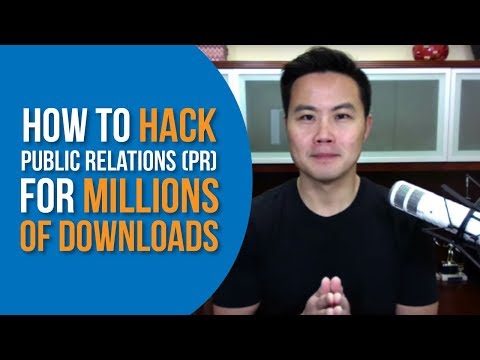
How to Hack Public Relations (PR) for Millions of Downloads
Jake Ellenberger: the story and the lessons
1How Jake Ellenberger got Drunk Mode 1.5 million downloads
Ellenberger started by fixing Drunk Mode's message, not its growth channels. Drunk Mode launched around 2013 and sat at 10,000 downloads when he joined. The CEO, Josh, was good at finding growth channels but froze on the message.
Jake met Josh in college and told him the marketing was too spammy. He studied at Alabama, which he calls the top PR school in the nation.
He was hired for stand-up comedy, not PR knowledge. The team was two people with a couple thousand dollars, and Jake earned about $500 a month at a bootstrapped startup.
He has never worked at a PR firm like Edelman, and says he succeeded by being driven and creative.
Free press produced almost half of the app's downloads. Drunk Mode reached 1.5 million downloads, and almost 700,000 came from press. One MTV News piece brought 75,000 downloads in three days at no cost.
2How Ellenberger picks outlets and reaches reporters
He targeted the outlet where his users already were. Drunk Mode was a drunk college app, so MTV News was the target. The piece called the app 'life-changing', a quote that added weight to later pitches.
Before pitching, he asked who the market is and which outlet they read.
He began with easy outlets and reused the coverage as proof. Huffington Post is easy to get into and covers college. Its article, which said the app was 'redefining the college experience', went into pitches to the Wall Street Journal, TechCrunch and MTV.
Each placement made the next one easier. He also warns that chasing a scoop can mean a negative angle.
He used LinkedIn to get past reporters' crowded inboxes. As a college junior with no name recognition, he built a professional profile, framed past work including a Walmart job, and added friends of TechCrunch writers to become a second or third degree connection.
He also hunted for personal emails, since reporters at TechCrunch and Mashable get hundreds of pitches a day at work addresses. He added people from Arby's only because they knew a TechCrunch writer.
He researched every reporter and spelled names correctly. He checked LinkedIn or bios before emailing and pitched only stories in the reporter's beat. A car reporter will ignore an app unrelated to cars.
Jake gets emails addressed to the wrong name himself and sees how fast it turns him off.
He matches each placement to a goal: downloads or credibility. At X-Mode, trade outlets and the Wall Street Journal covered the company and its data business, while consumer outlets like MTV drove installs.
Press is not always needed; sometimes brand recognition is the only gain.
3How Ellenberger writes a pitch reporters open
He takes himself out of the pitch and asks what is news. Drunk Mode's technology was not new, since Find My Friends did much the same. The branding and the story made it news.
Founders love their apps, but that alone is not a story. He asks what is news about it if you did not work there.
He wrote funny, unexpected subject lines instead of headlines. PR teachers say to write a headline. Jake went for laughs, and a favorite was 'Not porn'.
Developers are often introverts, so their pitches all sound alike. He borrows ideas from sales copywriting and aims for something the reporter has not seen in the last ten minutes.
He writes to reporters like friends, with a light joke up front. He avoids stiff business mode and opens with a warm line so the reporter sees a real person, then puts the facts below.
Reporters can tell when you are being fake, even from your emails.
He keeps pitches to short bullet points of key facts. The pitch lists the big facts, then asks what else the reporter would like to know.
Tech founders over-write and bury the story, and digital reporters need to publish fast because online news runs on clicks.
He pitches the team and the product, never himself. The pitch was always about the CEO, Josh, and the team. Reporters ask questions and drop you if you have no answers.
If an outside PR firm is involved, check that it knows your company as well as you do.
4How Ellenberger builds relationships with reporters
He asked reporters how they wanted to be pitched. After an auto journalist turned down the story, Jake asked what to change. The reporter explained how to frame the pitch, and the next pitch landed.
Reporters told him they had never been asked. Emailing back and forth turns a cold contact into a relationship.
He stayed friendly after a no, and it paid off. Mashable never wrote about the app but kept giving Jake feedback. A Wall Street Journal reporter said no several times, then later ran the app in a story on advances in mobile technology.
He tells his team not to snap back at a reporter who says no, since a person's time is their most valuable thing.
He offers an exclusive CEO interview once coverage exists. After the first wave, he offered an interview in which the CEO explained the growth techniques behind the download numbers.
He also offers an exclusive to several outlets, gives it to the first that says yes, and picks the best audience fit if several want it. Reporters rarely call out a broken exclusive because the 24-hour news cycle moves them on.
5Why Ellenberger paces press and prepares for the windfall
Press snowballs through syndication, so the product must be ready first. No outlet wants to be last to tell a story, so once TechCrunch runs it, others follow. Drunk Mode crashed its servers, and was not ready when it trended on the day iOS 9 launched.
The crash was a happy day for Jake, while the developers said the house was on fire. He advises lining up money for servers and software before traffic arrives, and expecting critics.
He learned to trickle out coverage instead of blitzing it. After a blitz, outlets turned down a pitch months later because it was not news, even though downloads had grown.
The CEO favored a baptism by fire, while Jake, a planner, wants processes in place first. He plans who gets the pitch after each article and keeps a next story ready.
6Ellenberger on in-house PR versus an agency
He argues a driven in-house person can beat an agency. Every product update becomes a new pitch, and an agency will not treat you as its only client.
He knows people who spent a lot on agencies and still saw no execution. Outsourcing can work depending on your size, and a founder can be the PR person.
At X-Mode he kept PR in-house to control the location data message. Location data can carry a negative connotation, and X-Mode wants to bring transparency to the industry.
X-Mode works in anonymous location data, so it targets industry blogs for company coverage.

How to Hack Public Relations (PR) for Millions of Downloads
A practical talk on getting press for an app with no budget: how to reach reporters, write pitches they open, and pace coverage so it pays off. Jake drove about 1.5 million downloads for Drunk Mode, with almost 700,000 coming from press, while earning around $500 a month at a bootstrapped startup.
Ellenberger started by fixing Drunk Mode's message, not its growth channels. Drunk Mode launched around 2013 and sat at 10,000 downloads when he joined. The CEO, Josh, was good at finding growth channels but froze on the message.
Jake met Josh in college and told him the marketing was too spammy. He studied at Alabama, which he calls the top PR school in the nation.
He was hired for stand-up comedy, not PR knowledge. The team was two people with a couple thousand dollars, and Jake earned about $500 a month at a bootstrapped startup.
He has never worked at a PR firm like Edelman, and says he succeeded by being driven and creative.
Free press produced almost half of the app's downloads. Drunk Mode reached 1.5 million downloads, and almost 700,000 came from press. One MTV News piece brought 75,000 downloads in three days at no cost.
He targeted the outlet where his users already were. Drunk Mode was a drunk college app, so MTV News was the target. The piece called the app 'life-changing', a quote that added weight to later pitches.
Before pitching, he asked who the market is and which outlet they read.
He began with easy outlets and reused the coverage as proof. Huffington Post is easy to get into and covers college. Its article, which said the app was 'redefining the college experience', went into pitches to the Wall Street Journal, TechCrunch and MTV.
Each placement made the next one easier. He also warns that chasing a scoop can mean a negative angle.
He used LinkedIn to get past reporters' crowded inboxes. As a college junior with no name recognition, he built a professional profile, framed past work including a Walmart job, and added friends of TechCrunch writers to become a second or third degree connection.
He also hunted for personal emails, since reporters at TechCrunch and Mashable get hundreds of pitches a day at work addresses. He added people from Arby's only because they knew a TechCrunch writer.
He researched every reporter and spelled names correctly. He checked LinkedIn or bios before emailing and pitched only stories in the reporter's beat. A car reporter will ignore an app unrelated to cars.
Jake gets emails addressed to the wrong name himself and sees how fast it turns him off.
He matches each placement to a goal: downloads or credibility. At X-Mode, trade outlets and the Wall Street Journal covered the company and its data business, while consumer outlets like MTV drove installs.
Press is not always needed; sometimes brand recognition is the only gain.
He takes himself out of the pitch and asks what is news. Drunk Mode's technology was not new, since Find My Friends did much the same. The branding and the story made it news.
Founders love their apps, but that alone is not a story. He asks what is news about it if you did not work there.
He wrote funny, unexpected subject lines instead of headlines. PR teachers say to write a headline. Jake went for laughs, and a favorite was 'Not porn'.
Developers are often introverts, so their pitches all sound alike. He borrows ideas from sales copywriting and aims for something the reporter has not seen in the last ten minutes.
He writes to reporters like friends, with a light joke up front. He avoids stiff business mode and opens with a warm line so the reporter sees a real person, then puts the facts below.
Reporters can tell when you are being fake, even from your emails.
He keeps pitches to short bullet points of key facts. The pitch lists the big facts, then asks what else the reporter would like to know.
Tech founders over-write and bury the story, and digital reporters need to publish fast because online news runs on clicks.
He pitches the team and the product, never himself. The pitch was always about the CEO, Josh, and the team. Reporters ask questions and drop you if you have no answers.
If an outside PR firm is involved, check that it knows your company as well as you do.
He asked reporters how they wanted to be pitched. After an auto journalist turned down the story, Jake asked what to change. The reporter explained how to frame the pitch, and the next pitch landed.
Reporters told him they had never been asked. Emailing back and forth turns a cold contact into a relationship.
He stayed friendly after a no, and it paid off. Mashable never wrote about the app but kept giving Jake feedback. A Wall Street Journal reporter said no several times, then later ran the app in a story on advances in mobile technology.
He tells his team not to snap back at a reporter who says no, since a person's time is their most valuable thing.
He offers an exclusive CEO interview once coverage exists. After the first wave, he offered an interview in which the CEO explained the growth techniques behind the download numbers.
He also offers an exclusive to several outlets, gives it to the first that says yes, and picks the best audience fit if several want it. Reporters rarely call out a broken exclusive because the 24-hour news cycle moves them on.
Press snowballs through syndication, so the product must be ready first. No outlet wants to be last to tell a story, so once TechCrunch runs it, others follow. Drunk Mode crashed its servers, and was not ready when it trended on the day iOS 9 launched.
The crash was a happy day for Jake, while the developers said the house was on fire. He advises lining up money for servers and software before traffic arrives, and expecting critics.
He learned to trickle out coverage instead of blitzing it. After a blitz, outlets turned down a pitch months later because it was not news, even though downloads had grown.
The CEO favored a baptism by fire, while Jake, a planner, wants processes in place first. He plans who gets the pitch after each article and keeps a next story ready.
He argues a driven in-house person can beat an agency. Every product update becomes a new pitch, and an agency will not treat you as its only client.
He knows people who spent a lot on agencies and still saw no execution. Outsourcing can work depending on your size, and a founder can be the PR person.
At X-Mode he kept PR in-house to control the location data message. Location data can carry a negative connotation, and X-Mode wants to bring transparency to the industry.
X-Mode works in anonymous location data, so it targets industry blogs for company coverage.