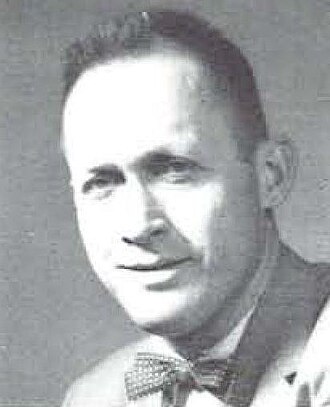
Bill Bowerman
Co-founders of Blue Ribbon Sports, which became Nike
Where to hear and read about Bill Bowerman1 episode or test

Bill Bowerman was the University of Oregon track coach who co-founded Blue Ribbon Sports, which became Nike, taking 49% so he could finally get his shoe ideas made. His lesson for builders is that a user who tinkers obsessively with the product, and who also grows the market, can be worth more than capital.
if you have a body then you're an athlete
Nike
Bill Bowerman: the story and the lessons
1Bill Bowerman, the Oregon coach who rebuilt his runners' shoes
Bowerman built Oregon into America's top track program. He became head coach in July 1948 and coached the first American sub-four-minute milers.
He taught himself cobbling to improve his athletes' shoes. Bowerman rebuilt Adidas shoes for his runners and experimented with snakeskin, deer hide and fish skin.
His temperament ran to extremes: he once rigged his mailbox with explosives and blew up a delivery truck.
Bowerman used a middling miler named Phil Knight as his tester. Knight ran a 4:13 mile, fast but never a star, so he was safe to experiment on.
That testing relationship is where the Nike story starts.
Shoe makers ignored his design ideas for years. Letters found by Nike historian Scott Reams show Bowerman wrote to Adi Dassler in the 1950s.
Adidas sent him to its distributors and ignored his suggestions, a rejection that shaped what he later wanted from Blue Ribbon.
2Why Bowerman became Phil Knight's partner
Bowerman asked for equity instead of just buying shoes. Knight came hoping to get Bowerman's runners into Onitsuka Tigers. Bowerman asked to be a real partner, first at 50-50, then settling at 49% to Knight's 51%.
What he wanted was an R&D channel: a way to get his designs manufactured after years of being ignored.
Each partner put in $500 for the first inventory. The two men funded the first shipment of Tigers equally.
Knight used Bowerman as cover to stall Onitsuka. When Onitsuka offered to buy 51% of Blue Ribbon, reportedly at book value, Knight bought time by saying he had to talk to Bowerman first.
Bowerman sold most of his stake back before the IPO. Before Nike listed in December 1980, Bowerman sold most of his shares to Knight, who owned 46% afterward.
3Bowerman's shoes: the Cortez and the waffle sole
Bowerman designed the nylon-upper shoe that became the Cortez. Nylon would keep feet dry and shoes light for the 1968 Mexico City Olympics. Blue Ribbon revenue rose from $44,000 in 1966 to $84,000 in 1967.
The name Aztec was too close to Adidas's Azteca Gold, so Bowerman suggested Cortez. The shoe is nearly unchanged today.
He made the waffle sole in his wife's waffle iron. Bowerman poured polyurethane into the iron and glued it shut, then made finished soles from a plaster mold.
He had polyurethane on hand because Oregon had just resurfaced its track. Nike owns the iron today, found years later in a trash heap.
The waffle trainer gave Nike its first hit. Oregon's football team wore the shoes on AstroTurf and beat Oregon State. Revenue reached $3.2M in 1972, up from about $0.5M two years earlier.
Demand was so strong that retailers accepted Nike's Futures program, prepaying six months ahead for a 7% discount, because it was the only way to get the shoe.
4How Bowerman's jogging book grew the market
Bowerman's 1967 jogging book helped start America's fitness movement. He wrote it after a trip to New Zealand, and Life magazine profiled his Eugene jogging clubs.
Running was still strange enough that drivers threw soda at runners.
He widened the customer from Olympians to everyone. His message that anyone with a body is an athlete turned a niche track market into a mass one.
Knight thought a jogging book was crazy, and later said Nike was right there for the ride as Blue Ribbon's western distribution put shoes on the new joggers' feet.
The market he helped create fed Blue Ribbon's growth. By 1970 Blue Ribbon had over $500,000 in annual sales, and about 70% of US runners wore Onitsuka shoes.

Nike
Nike grew from a shoe importer starved for capital into the world's biggest apparel brand by turning athletes into its marketing, borrowing heavily to grow, and breaking the rules of its industry. The Michael Jordan royalty deal, which Adidas and Converse could not match, shows how a cash-poor challenger can build a structural edge.
Bowerman built Oregon into America's top track program. He became head coach in July 1948 and coached the first American sub-four-minute milers.
He taught himself cobbling to improve his athletes' shoes. Bowerman rebuilt Adidas shoes for his runners and experimented with snakeskin, deer hide and fish skin.
His temperament ran to extremes: he once rigged his mailbox with explosives and blew up a delivery truck.
Bowerman used a middling miler named Phil Knight as his tester. Knight ran a 4:13 mile, fast but never a star, so he was safe to experiment on.
That testing relationship is where the Nike story starts.
Shoe makers ignored his design ideas for years. Letters found by Nike historian Scott Reams show Bowerman wrote to Adi Dassler in the 1950s.
Adidas sent him to its distributors and ignored his suggestions, a rejection that shaped what he later wanted from Blue Ribbon.
Bowerman asked for equity instead of just buying shoes. Knight came hoping to get Bowerman's runners into Onitsuka Tigers. Bowerman asked to be a real partner, first at 50-50, then settling at 49% to Knight's 51%.
What he wanted was an R&D channel: a way to get his designs manufactured after years of being ignored.
Each partner put in $500 for the first inventory. The two men funded the first shipment of Tigers equally.
Knight used Bowerman as cover to stall Onitsuka. When Onitsuka offered to buy 51% of Blue Ribbon, reportedly at book value, Knight bought time by saying he had to talk to Bowerman first.
Bowerman sold most of his stake back before the IPO. Before Nike listed in December 1980, Bowerman sold most of his shares to Knight, who owned 46% afterward.
Bowerman designed the nylon-upper shoe that became the Cortez. Nylon would keep feet dry and shoes light for the 1968 Mexico City Olympics. Blue Ribbon revenue rose from $44,000 in 1966 to $84,000 in 1967.
The name Aztec was too close to Adidas's Azteca Gold, so Bowerman suggested Cortez. The shoe is nearly unchanged today.
He made the waffle sole in his wife's waffle iron. Bowerman poured polyurethane into the iron and glued it shut, then made finished soles from a plaster mold.
He had polyurethane on hand because Oregon had just resurfaced its track. Nike owns the iron today, found years later in a trash heap.
The waffle trainer gave Nike its first hit. Oregon's football team wore the shoes on AstroTurf and beat Oregon State. Revenue reached $3.2M in 1972, up from about $0.5M two years earlier.
Demand was so strong that retailers accepted Nike's Futures program, prepaying six months ahead for a 7% discount, because it was the only way to get the shoe.
Bowerman's 1967 jogging book helped start America's fitness movement. He wrote it after a trip to New Zealand, and Life magazine profiled his Eugene jogging clubs.
Running was still strange enough that drivers threw soda at runners.
He widened the customer from Olympians to everyone. His message that anyone with a body is an athlete turned a niche track market into a mass one.
Knight thought a jogging book was crazy, and later said Nike was right there for the ride as Blue Ribbon's western distribution put shoes on the new joggers' feet.
The market he helped create fed Blue Ribbon's growth. By 1970 Blue Ribbon had over $500,000 in annual sales, and about 70% of US runners wore Onitsuka shoes.
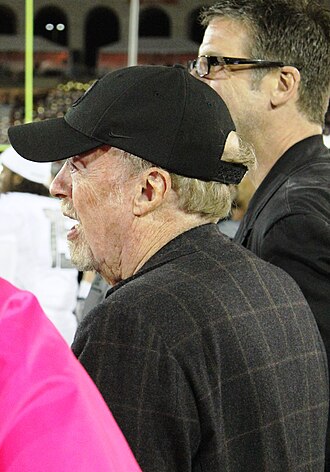
 Nike
